How to Choose the Right Bag for Scallops, Oysters & Clams
Best Scallop & Clam Catch Bags – How to Choose the Right One

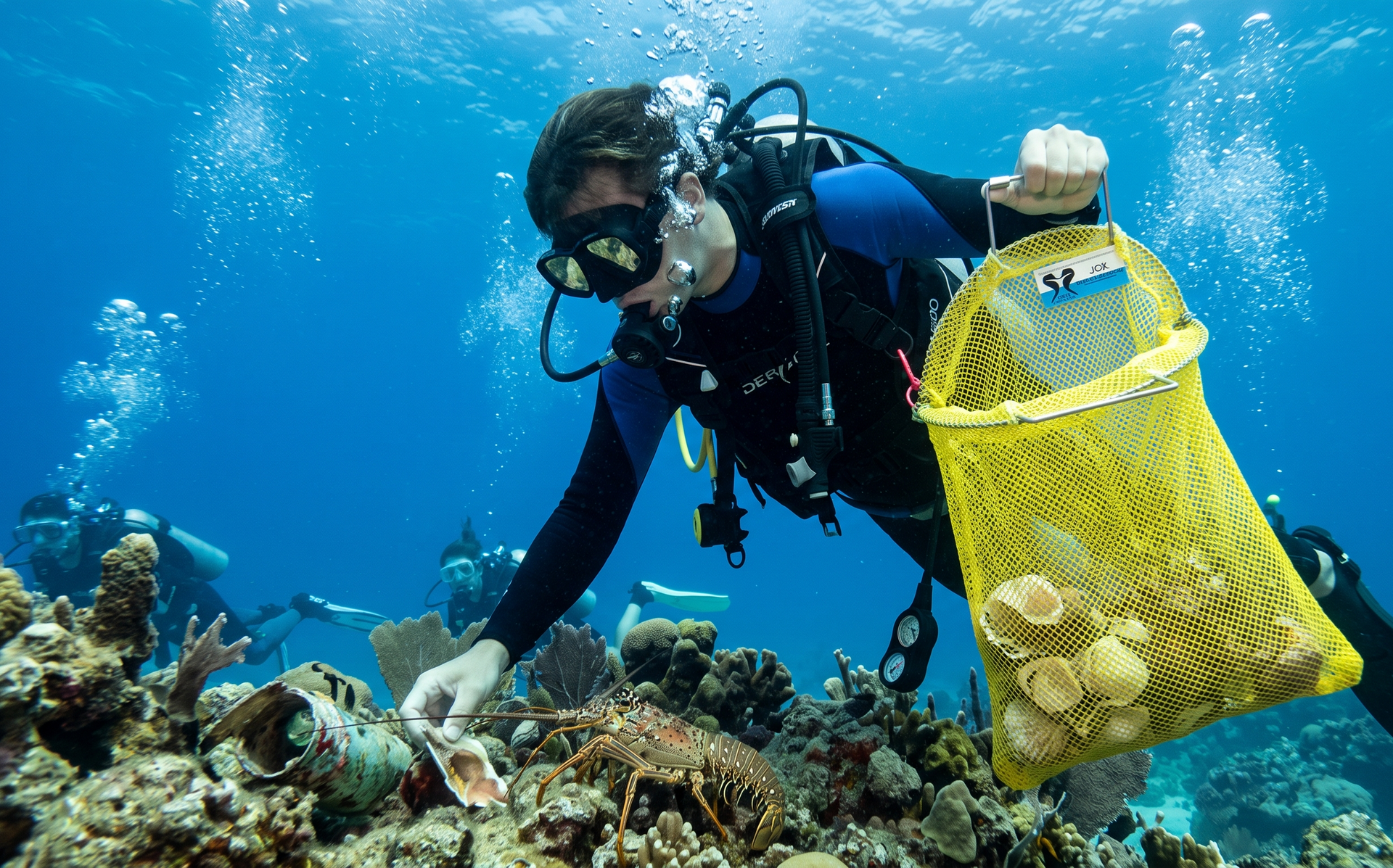
Hunting for scallops, oysters, or clams is one of Florida’s most enjoyable (and delicious) underwater activities. But whether you’re snorkeling the grass flats during scallop season or collecting oysters on a low tide, the gear you choose makes all the difference.
Your catch bag is more than a bucket — it’s your tool for keeping your harvest safe, clean, and easy to manage. In this guide, we’ll break down the key features to look for when selecting a bag for scallops, oysters, and clams, and explain why many Florida divers are using the Lobster Inn Bag from [Keystone Dive Products – https://www.keystonediveproducts.com] for multi-species shellfish collecting.
Why You Can’t Use Just Any Bag
Unlike lobsters or lionfish, shellfish like scallops and clams are delicate. Some are still alive when harvested and can be damaged by:
- Overcrowding
- Sharp edges inside the bag
- Excessive water retention
- Poor airflow or drainage
- Rough handling when rinsing or carrying
A well-designed bag prevents spoilage, injury, and loss — and makes your post-dive cleanup far easier.
Key Features of a Good Shellfish Catch Bag
Here’s what to look for when choosing a bag for scalloping or clamming in Florida:
1. Wide Opening for Easy Access
You’ll be collecting frequently and quickly, so you need a bag that opens wide and stays open if needed.
Look for:
- Fixed-rim or rigid top
- One-way flap for quick drop-in
- Easily operated with one hand
Why it matters: Avoid fumbling or stopping to adjust the bag every few minutes.
2. Secure Closure System
Shellfish may be heavy or shift during dives or transport. Your bag needs to stay shut — without zippers or Velcro that can fail.
Best options:
- Drawstring toggle closures
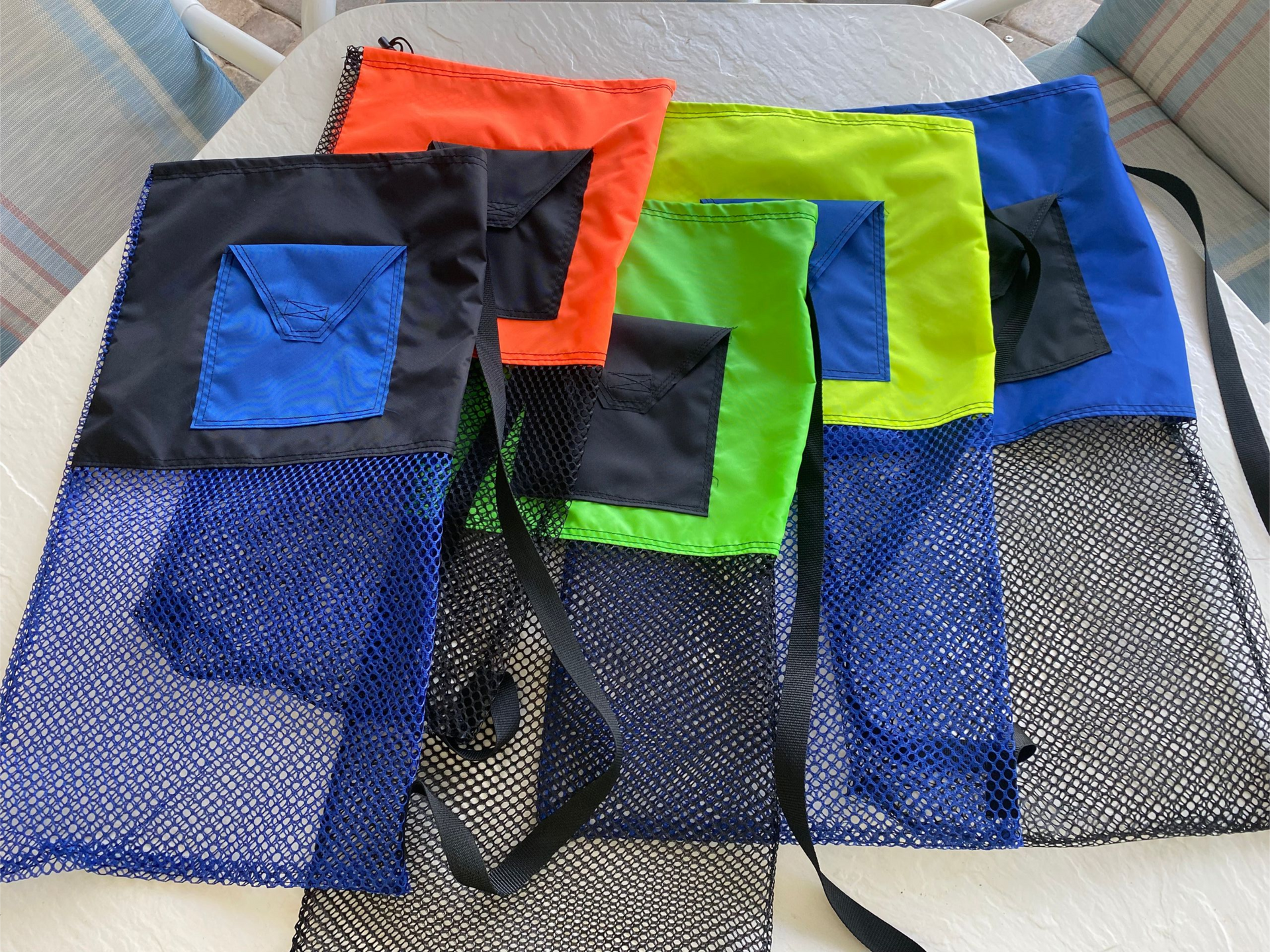
- One-way flaps (like those on the Lobster Inn Bag)
- Clip-locked roll tops
Avoid: Old-school mesh bags with no closure or worn-out drawcords.
3. Durable but Gentle Material
Scallops and oysters have fragile shells, and you’ll be moving through sand, rock, and seagrass beds.
Look for:
- Reinforced mesh or soft canvas interior
- Puncture-resistant bottom
- Smooth stitching to avoid chipping delicate shells
Avoid rigid plastic containers that cause breakage or offer no flexibility underwater.
4. Good Drainage and Rinsing Capability
Shellfish dive bags get sandy fast. You’ll want to rinse them thoroughly — and quickly — after each trip.
Choose a bag that offers:
- Quick-draining mesh
- Non-absorbent material
- Easy-to-flip interior for cleaning
The [Lobster Inn Bag – https://www.keystonediveproducts.com] dries quickly and rinses clean with freshwater after each use.
5. Hands-Free Carrying Design
You’ll often be swimming, snorkeling, or wading in shallow water — a bulky or hand-held bag will slow you down.
Look for:
- Belt clips or thigh straps
- Float-line attachment points
- Shoulder strap (optional for shore-based harvesting)
Tip: Attach your bag to a dive float or kayak to reduce drag.
What Size Bag Do You Need?
That depends on the species you’re targeting:
| Species | Recommended Bag Size | Notes |
|---|---|---|
| Scallops | Medium - holds 1 gallon (legal limit per person) | Must stay within limit -check FWC regs |
| Oysters | Medium to Large | Needs puncture-resistant bottom |
| Clams | Small to Medium | Compact bags work well for hand-collecting |
Always rinse your catch and bag thoroughly after the dive. Shellfish can trap grit and bacteria, especially in mesh seams.
Why Divers Use the Lobster Inn Bag for Shellfish
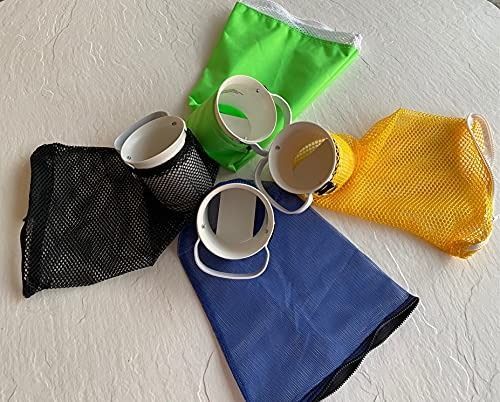
While it was originally built for lobster, the Lobster Inn Bag has several features that make it excellent for scallops, oysters, and clams:
- One-way flap for quick loading
- Lightweight but reinforced mesh for durability
- Flexible design for shallow-water wading or snorkeling
- Easy to attach to float lines or belts
- Rinses and dries fast
Shellfish collectors like the Lobster Inn Bag because it
stays closed, won’t trap water, and doesn’t damage their catch.
Best Practices for Shellfish Collecting
- Know your limits: In Florida, scallop bag limits are strictly enforced — usually 1 gallon per person or 5 gallons per vessel
- Use gloves: Oysters and clams have sharp edges
- Rinse your catch and bag immediately after collecting
- Store in ice water if not cooking right away
- Check local red tide alerts and harvest zone closures
Find current regulations at [FWC Scallop & Clam Guidelines – https://myfwc.com/fishing/saltwater/recreational/bay-scallops/]
FAQs About Shellfish Catch Bags
Can I use the same bag for lobster and scallops?
Yes — but rinse thoroughly between uses. The [Lobster Inn Bag] is designed to be versatile and works well for both species.
Do scallops die if I keep them in a wet bag?
They can. Use a bag with good drainage to avoid stagnant water buildup. Store them in ice as soon as possible after your dive.
Can I collect oysters and clams while diving?
Yes, in some areas. You’ll need gloves, a measuring tool, and a durable bag. Check local rules for size and bag limits.
Call to Action: Don’t Just Grab Any Bag — Use One That Works
Shellfish collecting is easy, fun, and rewarding — but only if your bag keeps up with you. Whether you’re diving for scallops off Homosassa or wading for oysters on the Atlantic coast, trust a bag built for real-world underwater use.
Explore the
Lobster Inn Bag and more at:
[https://www.keystonediveproducts.com]
Questions? Call (772) 341-2700 or email info@keystonediveproducts.com
Based in Palm City, proudly serving Florida divers and harvesters.
Recent Posts
Always Here When You Need Us
You can reach out any time — day or night. Our support is based in Palm City, Florida. We’re not a reseller or drop shipper. We build what we sell, and we back it up with personal service.