Top Mistakes to Avoid When Catching Lobsters Underwater
Avoid Common Lobster Diving Mistakes that Cost you Time, Safety, and your Catch
Lobster diving is one of the most rewarding underwater activities in Florida — but it comes with its own learning curve. Whether you’re snorkeling during Mini-Season or diving deeper reefs later in the year, knowing what not to do is just as important as knowing what to bring.
In this guide, we’ll break down the
most common lobster diving mistakes, why they matter, and how you can avoid them to
stay legal, safe, and successful.
1. Failing to Measure Your Lobster Correctly
This is the #1 reason divers get cited during lobster season.
What’s the rule?
All spiny lobsters must have a minimum carapace length of 3 inches, measured in the water using a gauge, before placing them in your bag.
Mistake:
- Measuring on the boat or shore
- Using your hand or “eyeballing” it
- Forgetting your gauge altogether
Solution:
Always keep a
measuring gauge clipped to your gear, and check every lobster before you bag it. Don’t assume — measure.
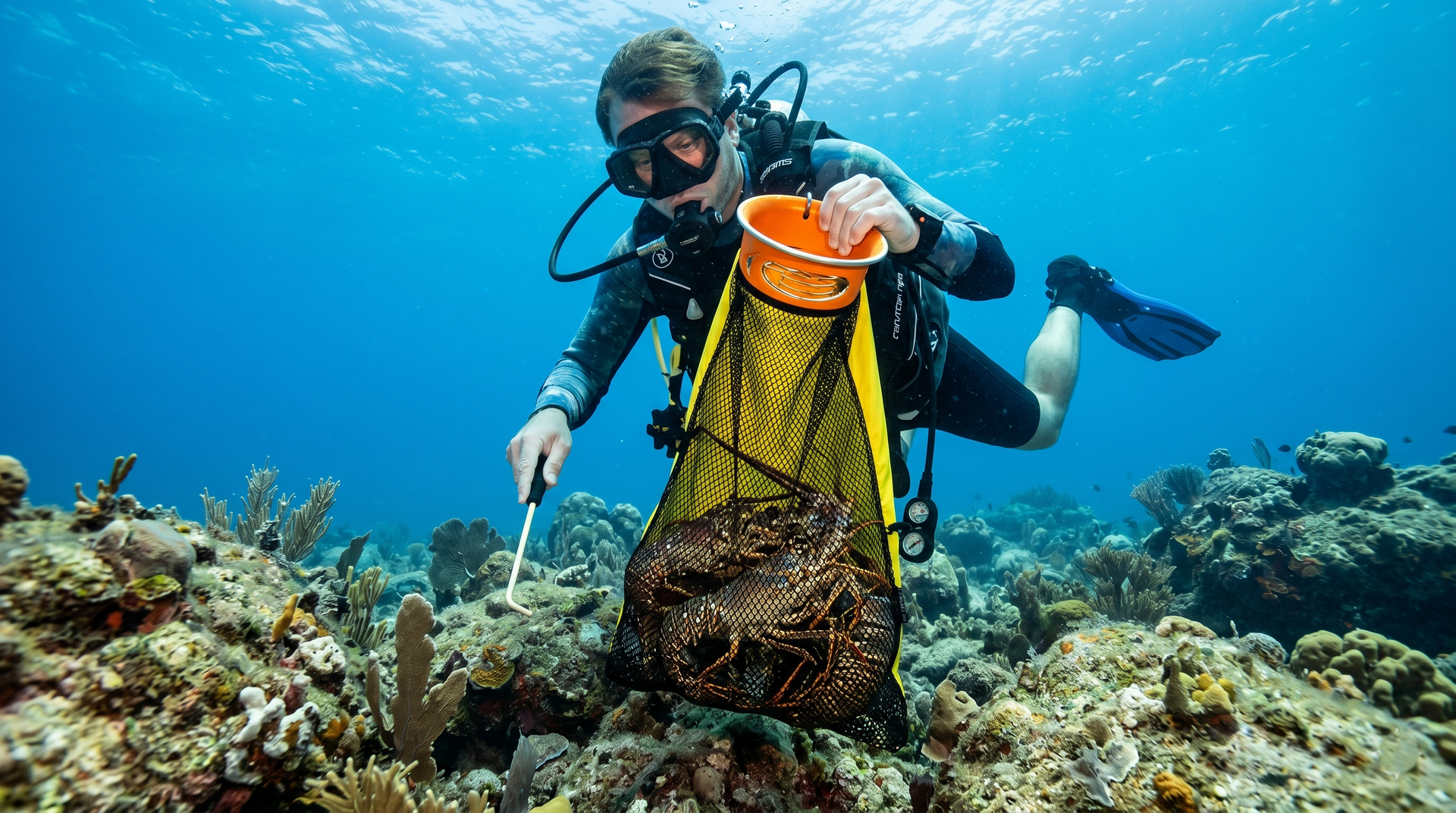
2. Bringing the Wrong Catch Bag
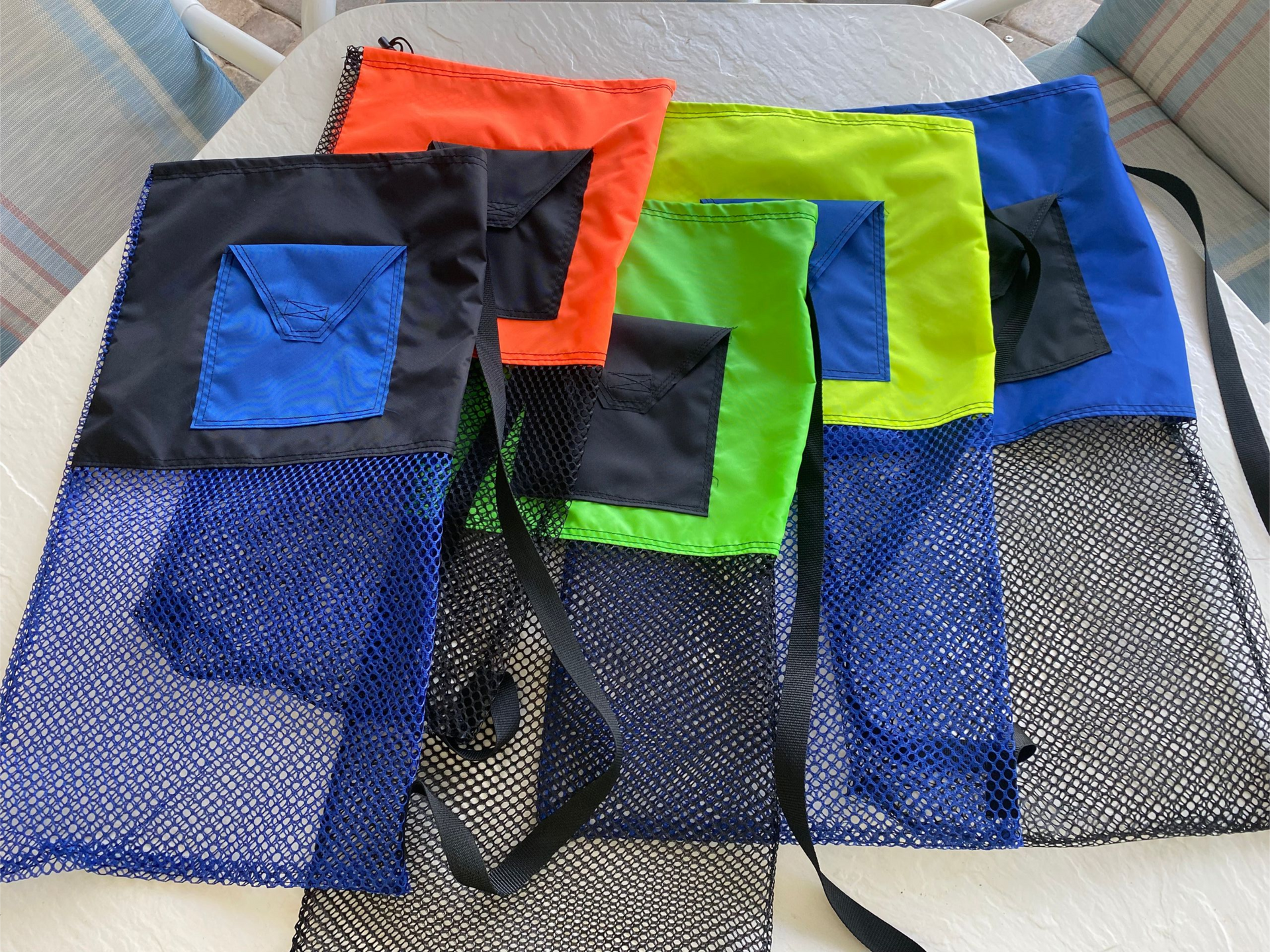
Not all bags are built to handle lobsters — especially when the dive gets rough.
Mistake:
- Using Velcro-closure mesh bags that open underwater
- Zippers that jam or corrode
- Bags that are too small or tear easily
Consequence:
Losing your catch, wasting time, or needing to surface early.
Solution:
Use a
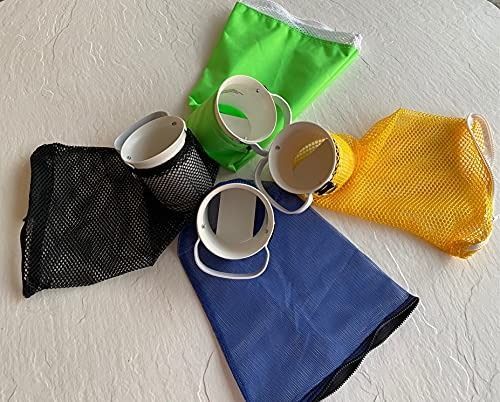
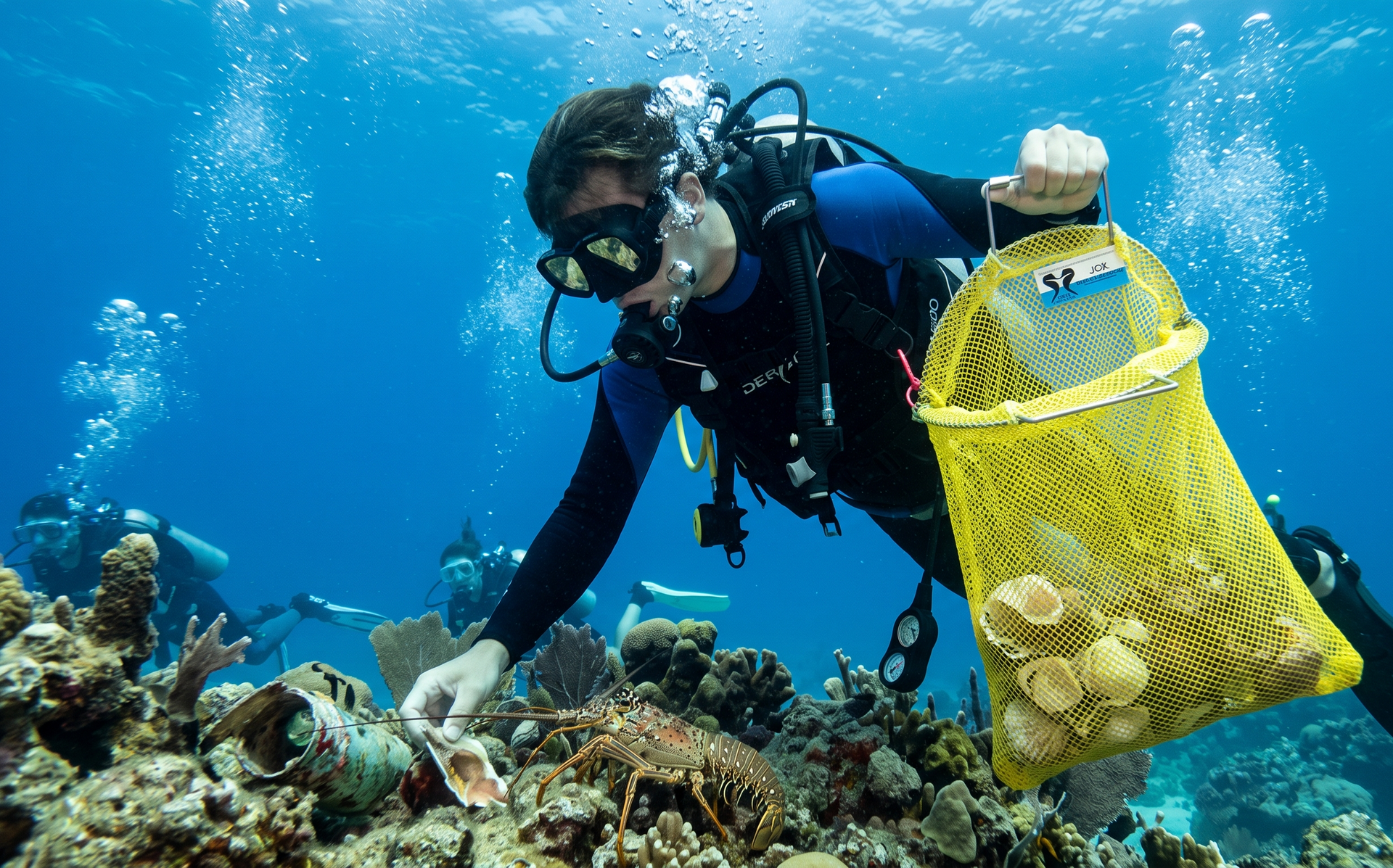
one-way flap catch bag, like the [Lobster Inn Bag – https://www.keystonediveproducts.com], that allows quick insertion and prevents escape — no zippers or Velcro to fail.
3. Grabbing Lobsters the Wrong Way
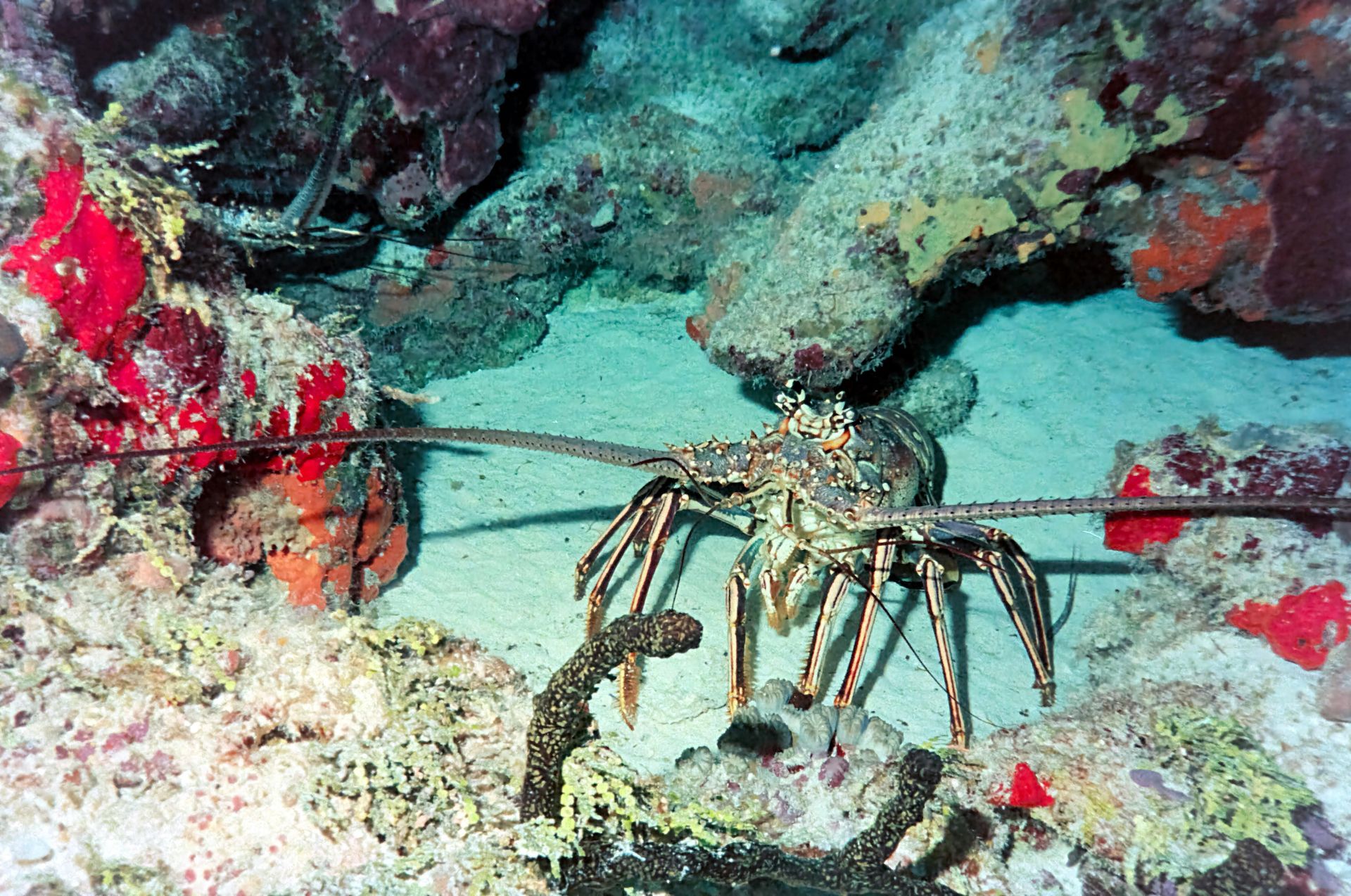
Spiny lobsters don’t have claws, but they’re fast, flexible, and covered in sharp spines.
Mistake:
- Grabbing from the tail or underside
- Using bare hands
- Fumbling and losing the lobster mid-capture
Solution:
Use a
tickle stick to coax the lobster out of its hiding spot, then
grab it firmly by the carapace behind the eyes. Always wear
gloves to avoid injury.
4. Diving Without a Plan (or a Buddy)
Lobster diving is not a “just wing it” activity — especially during the hectic Mini-Season.
Mistake:
- No dive plan or communication with your buddy
- Poor understanding of the reef layout or depth
- No emergency protocols in place
Consequences:
- Separation from your buddy
- Getting lost or surfacing too far from the boat
- Increased risk of decompression issues or boating accidents
Solution:
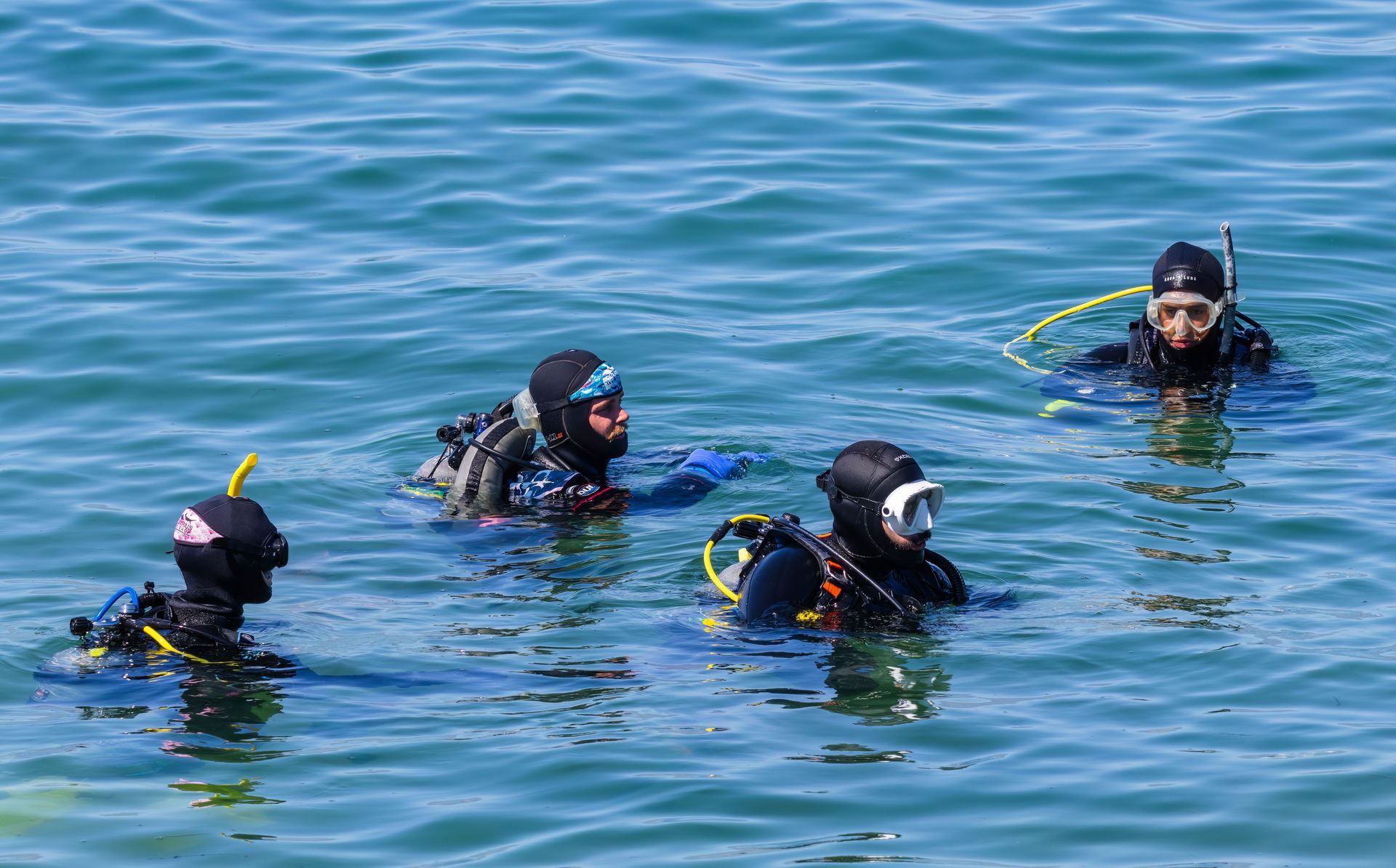
Always dive with a buddy and agree on the plan:
- Entry/exit point
- Depth and time limits
- Hand signals
- What to do if separated
5. Ignoring Legal Limits and Local Rules
Florida’s lobster regulations vary by region and season.
Mistake:
- Taking too many lobsters
- Harvesting egg-bearing females
- Using prohibited tools (like spears or hooks)
- Diving in closed or protected areas
Solution:
Check the current rules at [FWC’s lobster regulations page – https://myfwc.com/fishing/saltwater/recreational/lobster/] before every trip. Bring only approved gear (tickle stick, snare, gauge) and
never harvest lobster with eggs.
6. Diving Unprepared for Conditions
Lobster spots on Florida’s east coast can be subject to strong currents, surge, and changing visibility.
Mistake:
- Underestimating water movement
- Wearing the wrong weight or exposure protection
- Carrying too much gear
Solution:
- Check weather, tides, and surf reports
- Dive within your limits — both depth and fitness
- Practice buoyancy and streamline your setup
The lighter and more efficient your dive gear is, the better you’ll be able to hunt and maneuver near the reef.
7. Forgetting to Rinse and Maintain Gear
Poorly maintained gear doesn’t last — and it can ruin your next dive.
Mistake:
- Not rinsing gear after saltwater exposure
- Storing bags wet or sandy
- Letting zippers or clips corrode
Solution:
After every dive:
- Rinse gear with
freshwater
- Open and clean out your catch bag
- Dry all equipment fully before storage
- Periodically inspect for wear or damage
This extends the life of your investment — especially critical for high-wear items like gloves, bags, and gauges.
8. Diving Without a Dive Flag
It’s more than just a good idea — it’s required by law.
Mistake:
- Diving without a surface marker
- Using a dive flag that’s too small or poorly displayed
Consequences:
- Fines
- Risk of boat collision
- Losing visibility to your surface team
Solution:
Always fly a legal
dive flag and float. In Florida, your flag must be at least
20"x24" and displayed above the waterline. When surfacing away from your flag, use a
signal tube (SMB) to alert boaters.
FAQs About Lobster Diving Mistakes
Can I lose my license for taking undersized lobster?
Yes. In some cases, especially repeated violations, the FWC can revoke your fishing privileges and confiscate gear.
What’s the best way to avoid lobster escaping during a dive?
Use a catch bag with a one-way flap. These are specifically designed to lock in the catch without fumbling with zippers or drawstrings.
Can I dive alone during Mini-Season?
You can, but it’s not recommended. The season is busy, and emergency response times can be slow. Always dive with a buddy system in place.
How do I know if a lobster is egg-bearing?
Look for
bright orange or red eggs underneath the tail. Egg-bearing females must be released immediately.
Call to Action: Dive Smart. Catch More. Risk Less.
Every mistake on this list is preventable — and fixing even one can improve your dive, boost your catch, and keep you legal.
Gear up with confidence using the tools built for serious divers. The Lobster Inn Bag from Keystone Dive Products helps eliminate one of the most common mistakes: losing your catch.
Shop now: [https://www.keystonediveproducts.com]
Questions? Call (772) 341-2700 or email info@keystonediveproducts.com
Recent Posts
Always Here When You Need Us
You can reach out any time — day or night. Our support is based in Palm City, Florida. We’re not a reseller or drop shipper. We build what we sell, and we back it up with personal service.