Blog
Dive Gear Tips, Catch Guides & Underwater Advice
Lionfish Hunting in Florida: How to Use the Right Catch Bag

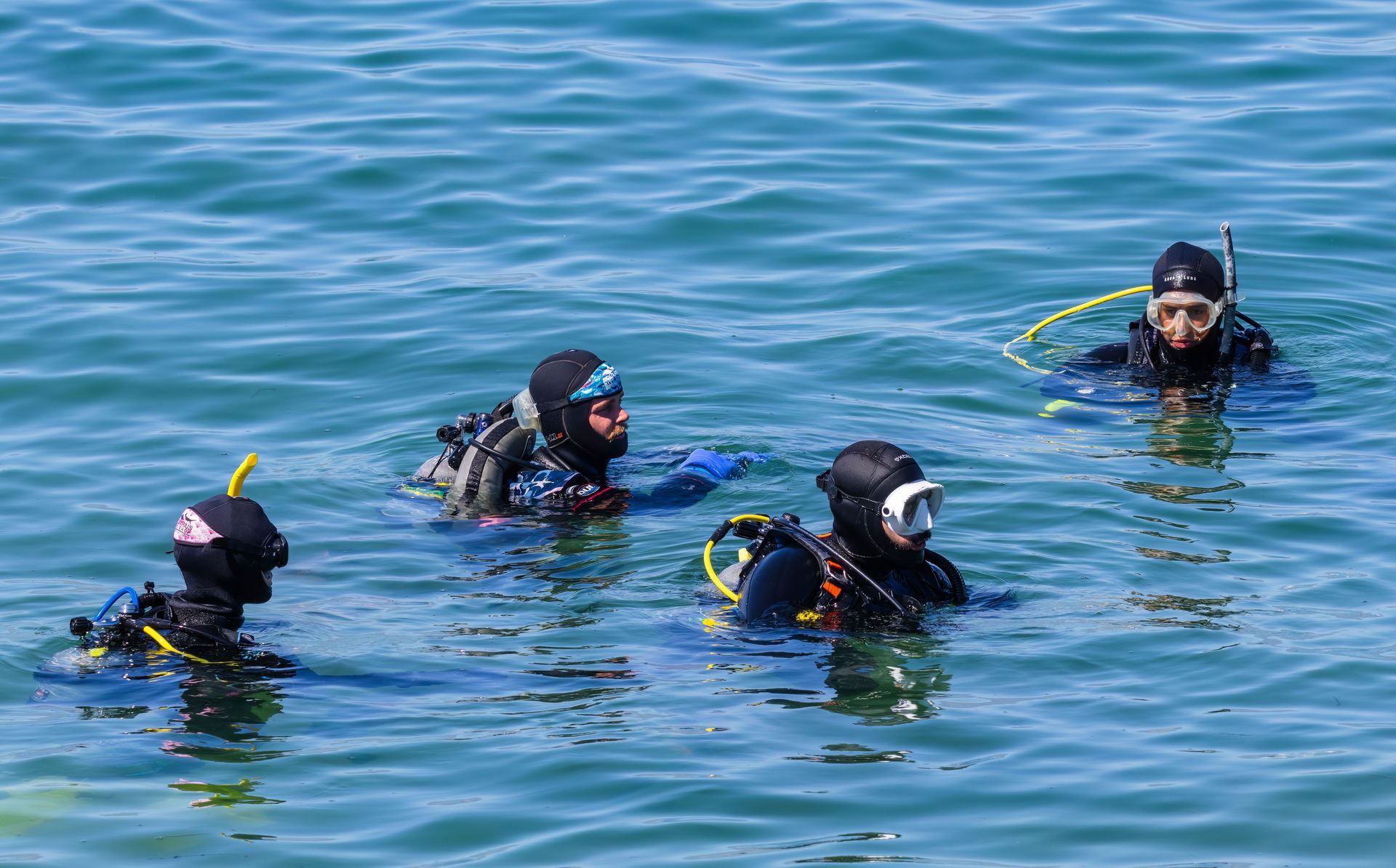
Lionfish hunting has become one of the most important (and rewarding) activities for Florida divers. These invasive predators threaten native fish populations and coral reefs — but divers can help control their spread. If you’re planning to hunt lionfish in Florida, having the right tools and techniques is essential.
One of the most overlooked yet critical pieces of gear is the catch bag. When handling venomous species like lionfish, your catch bag must offer safety, containment, and durability — not just convenience.
In this guide, we’ll explain how to hunt lionfish responsibly, what equipment you need, and why the Lobster Inn Bag from [Keystone Dive Products –https://www.keystonediveproducts.com] is also a smart choice for lionfish containment.
Why Hunt Lionfish in Florida?
The
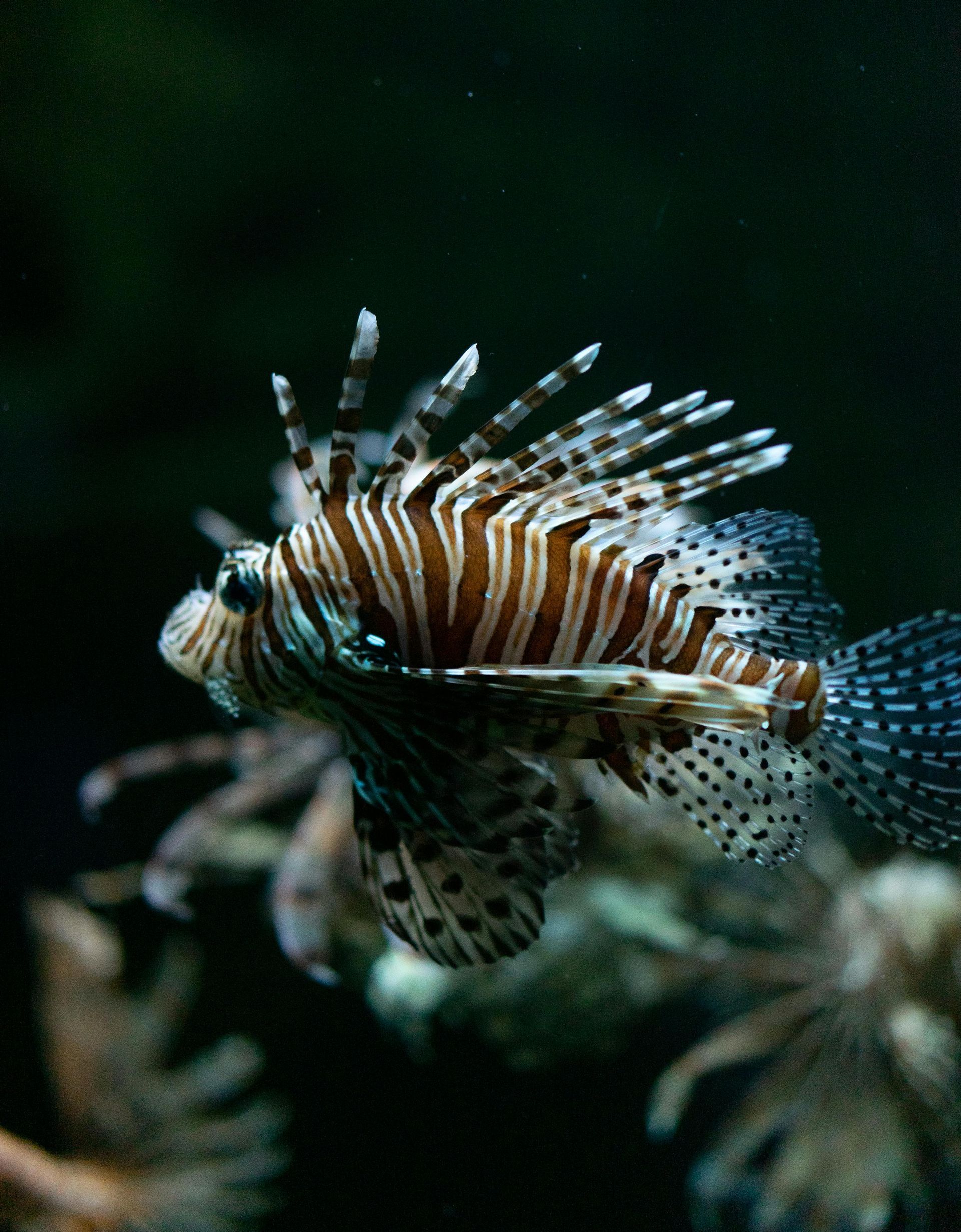
red lionfish (Pterois volitans) and
devil firefish (Pterois miles) are invasive species originally from the Indo-Pacific. They have no natural predators in Florida waters and reproduce rapidly, feeding on juvenile reef fish and damaging marine ecosystems.
Key facts about lionfish:
- Can consume up to 30 juvenile fish per hour.
- Each female lays
up to 2 million eggs per year
- Outcompete native species for food and space
- Thrive in both shallow and deep waters
- Have venomous spines that can cause serious injury
- Unlike lobster or crab, lionfish have venomous spines along the dorsal, anal, and pelvic fins.
Lionfish removal by divers is currently the most effective method of population control — and many divers take part in local tournaments and reef cleanups.
Essential Gear for Lionfish Hunting
Hunting lionfish is legal and encouraged in Florida, but it requires
precision and protection. Here's what you'll need:
Spearing Tools
- Pole spear or
Hawaiian sling — legal for lionfish harvesting
- Barbed tips or specialized lionfish tips help secure the fish on contact
Gloves
- Puncture-resistant dive gloves protect your hands from accidental spine contact
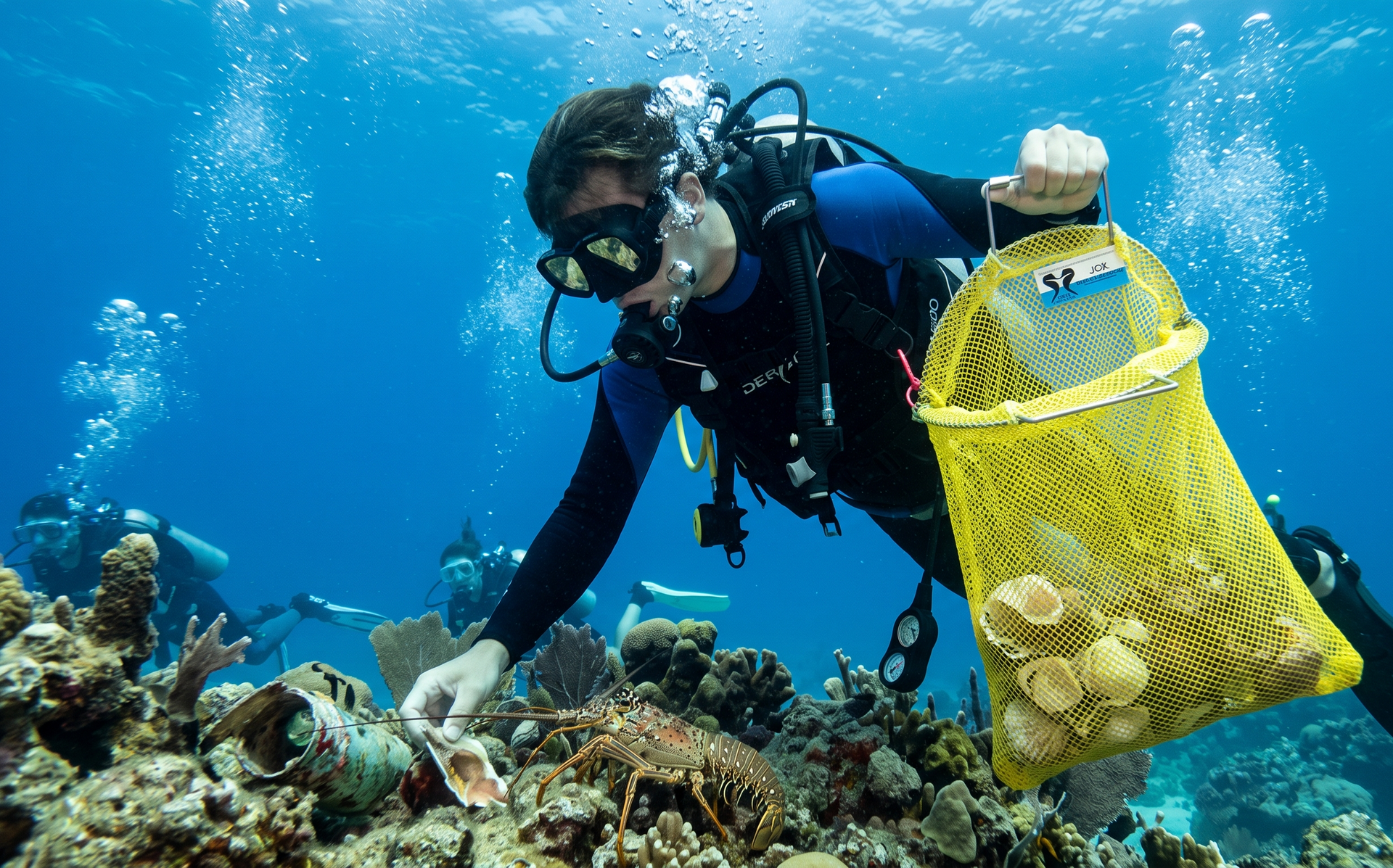
Container or Catch Bag
- Venting tubes,
rigid containers, or
catch bags are used to secure the lionfish after spearing
- Must be easy to access but secure enough to contain sharp spines
Dive Knife or Shears (Optional)
- Helps trim spines or handle line snags
- Useful for preparing the fish for transport
Marker Buoy / Dive Flag
- Required by law for all divers in Florida
- Alerts boats to diver presence
Choosing the Right Catch Bag for Lionfish
What Makes Lionfish Catching Unique?
Unlike lobster or crab,
lionfish have 18 venomous spines along the dorsal, anal, and pelvic fins. These spines can cause:
- Immediate, intense pain
- Swelling and redness
- Numbness or tissue damage in severe cases
This means that
your catch bag must prevent spine punctures and protect the diver during transport.
What to Look For in a Lionfish Catch Bag
- Rigid or reinforced design
- Prevents punctures from venomous spines
- Holds shape and makes insertion safer
2. One-way entry or trap flap
- Allows easy loading without needing to reopen the bag
- Prevents catch from backing out
3. High-visibility or color-marked gear
- Easy to track in low-light reef environments
4. Durable, rinseable materials
- Lionfish can be messy — you want something that washes clean and dries quickly
5. Easy to clip to belt, float, or BC
- Must not interfere with swimming or spearing action
Why the Lobster Inn Bag Works for Lionfish
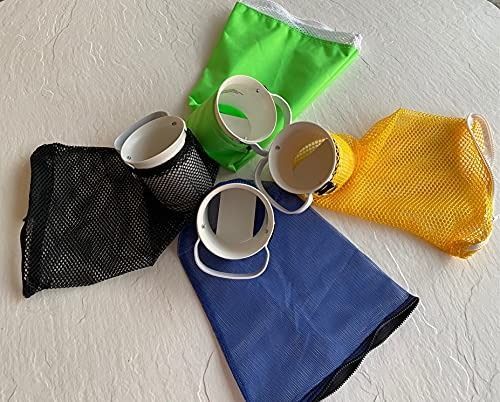
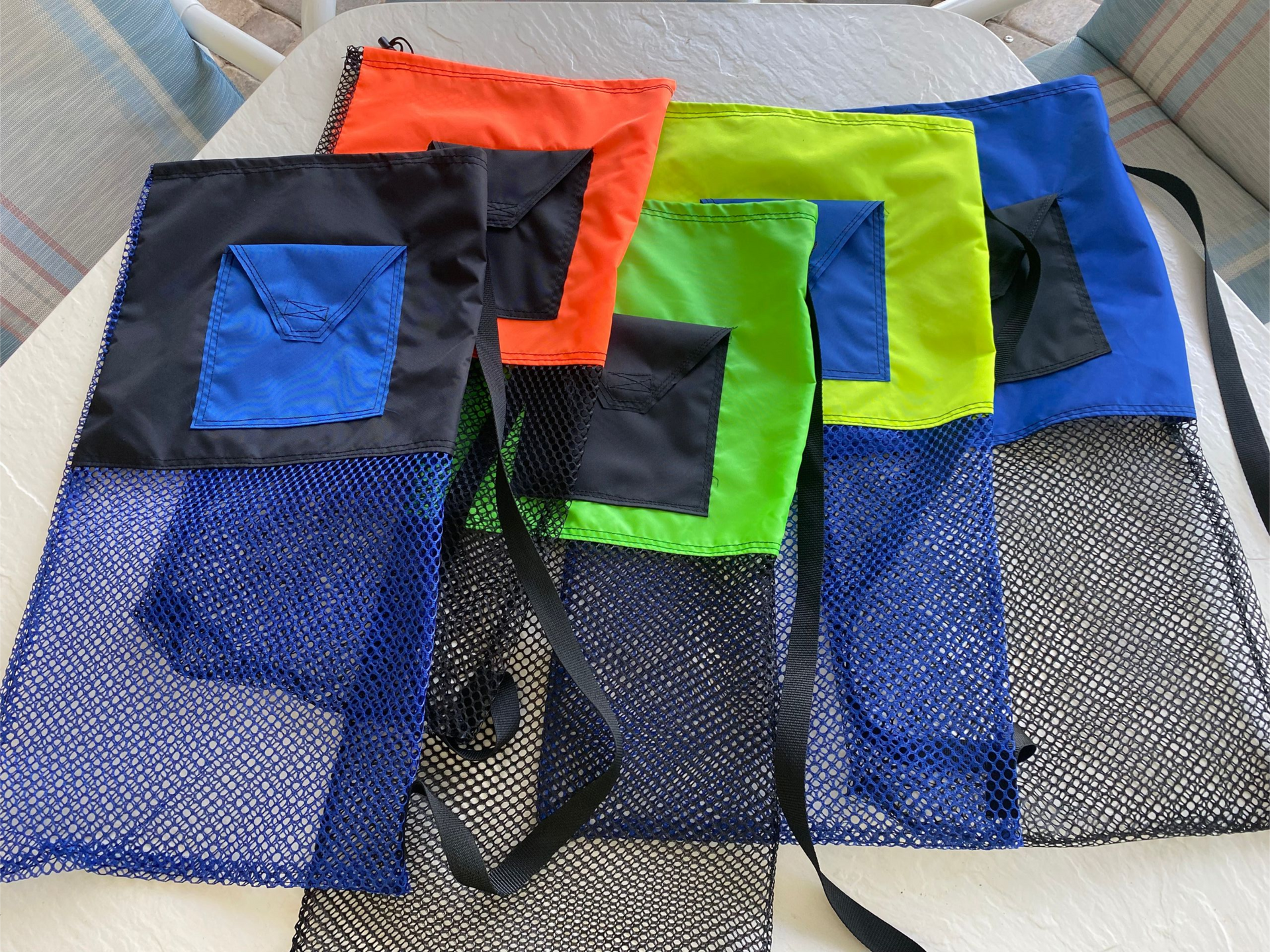
While the
Lobster Inn Bag was originally designed for spiny lobster, its
one-way flap design and marine-grade mesh make it equally effective — and safer — for lionfish collection.
Key advantages:
- One-way entry system keeps spined fish from escaping or backing out
- Allows insertion without fumbling with zippers or drawstrings
- Heavy-duty mesh resists tearing and minimizes spine penetration
- Flexible and lightweight for easy carry and quick rinsing
- Durable in both saltwater and high-abrasion reef environments
- Heavy-duty material resists tearing and minimizes spine penetration.
It’s not a rigid container — but many divers use it in combination with a puncture-resistant sleeve or liner, giving them flexibility and safety without sacrificing convenience.
How to Safely Handle and Bag Lionfish Underwater
Step-by-Step Guide:
- Spear the lionfish cleanly behind the head or through the body
- Secure the fish on your pole spear or sling tip
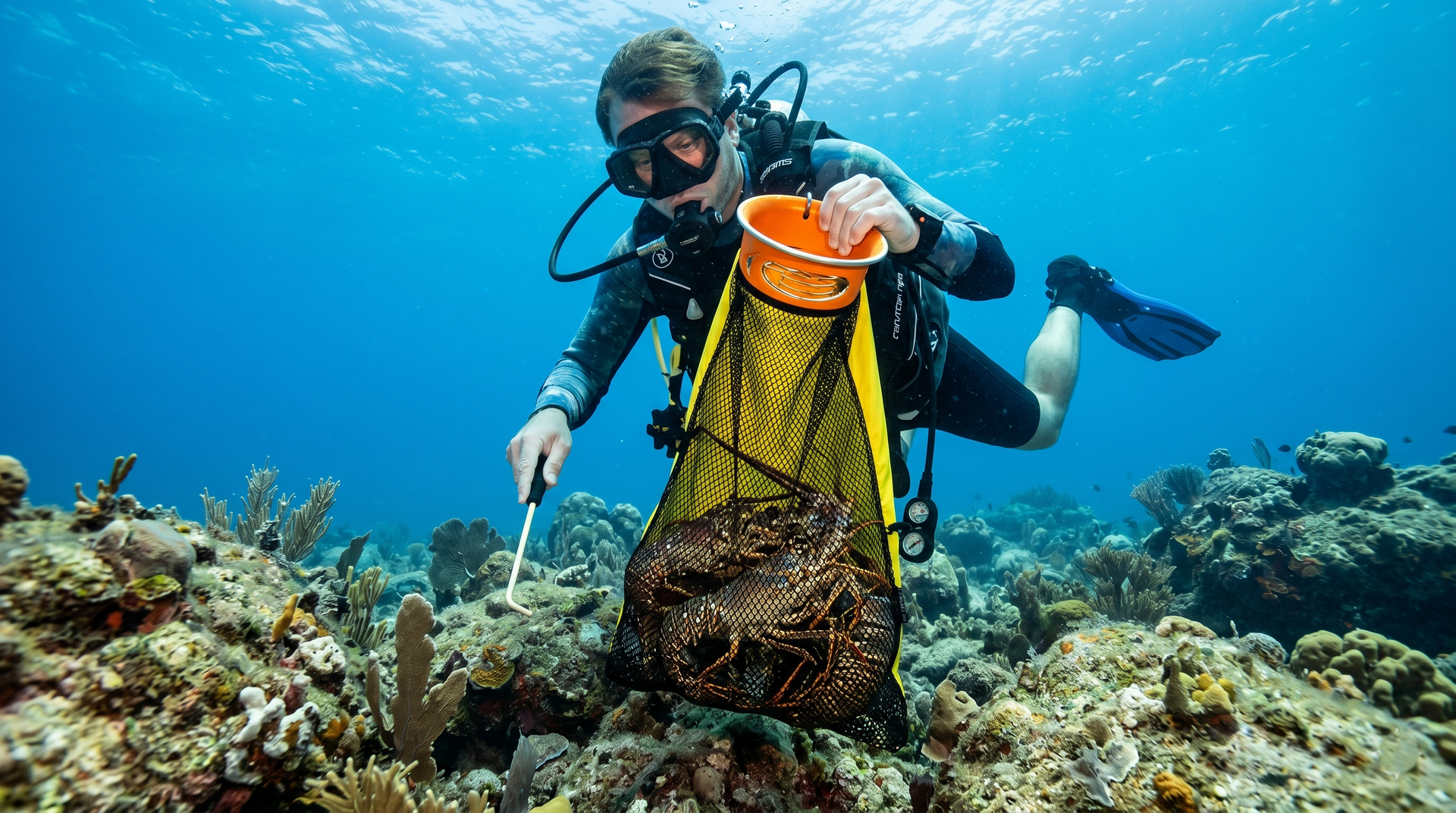
- Insert the lionfish into your catch bag without touching the body or spines
- Use one hand to open the flap and let the fish slide in — the one-way flap prevents escape
- Rinse thoroughly post-dive to remove slime, scales, and odor
- Handle with gloves when removing the fish on land
Pro Tip: Consider trimming spines after surfacing if you're preparing the lionfish for cleaning or eating. Always use shears and handle with care.
Rules and Regulations for Lionfish Harvesting in Florida
Unlike lobster,
lionfish have no size limits, no bag limits, and no season.
However, you must still:
- Have a Saltwater Fishing License if harvesting with gear
- Use only legal spearing equipment (no firearms, poisons, or traps)
- Obey dive flag requirements and stay within safe boating zones
You can learn more from the [Florida FWC Lionfish Info Page].
Are Lionfish Safe to Eat?
Yes. Despite their venomous spines,
lionfish are safe and delicious to eat once properly cleaned.
- White, flaky meat
- Similar in texture to snapper or grouper
- Low in mercury and high in omega-3s
Many restaurants in Florida now serve lionfish, and local catch can be a sustainable, eco-friendly seafood choice.
FAQs About Lionfish Hunting in Florida
Can lionfish sting through mesh?
Yes, their spines can penetrate standard mesh. Use
reinforced catch bags or insert a puncture-resistant liner inside your bag.
Can I sell lionfish I catch?
Only if you have a commercial license. Recreational divers may not sell lionfish without proper permitting.
How deep do lionfish live?
Lionfish are found anywhere from 5 feet to over 300 feet, but most divers encounter them between 20–80 feet along reefs, wrecks, and artificial structures.
Do I need a permit to hunt lionfish?
Not for recreational collection. A regular
Saltwater Fishing License covers you. However, always check local rules near marine sanctuaries or artificial reefs.
Call to Action: Gear Up for Safe and Successful Lionfish Hunting
If you're planning to hunt lionfish this season, don’t settle for gear that puts you or your catch at risk. Use the bag trusted by divers across Florida.
Explore the
Lobster Inn Bag and other diver-ready gear at [https://www.keystonediveproducts.com]
Questions? Need a local pickup?
Call
(772) 341-2700 or email
info@keystonediveproducts.com
Based in Palm City, Florida – serving divers statewide
Recent Posts
Always Here When You Need Us
You can reach out any time — day or night. Our support is based in Palm City, Florida. We’re not a reseller or drop shipper. We build what we sell, and we back it up with personal service.