The Difference Between Lobster Bags and Crab Bags: Which One Do You Need?

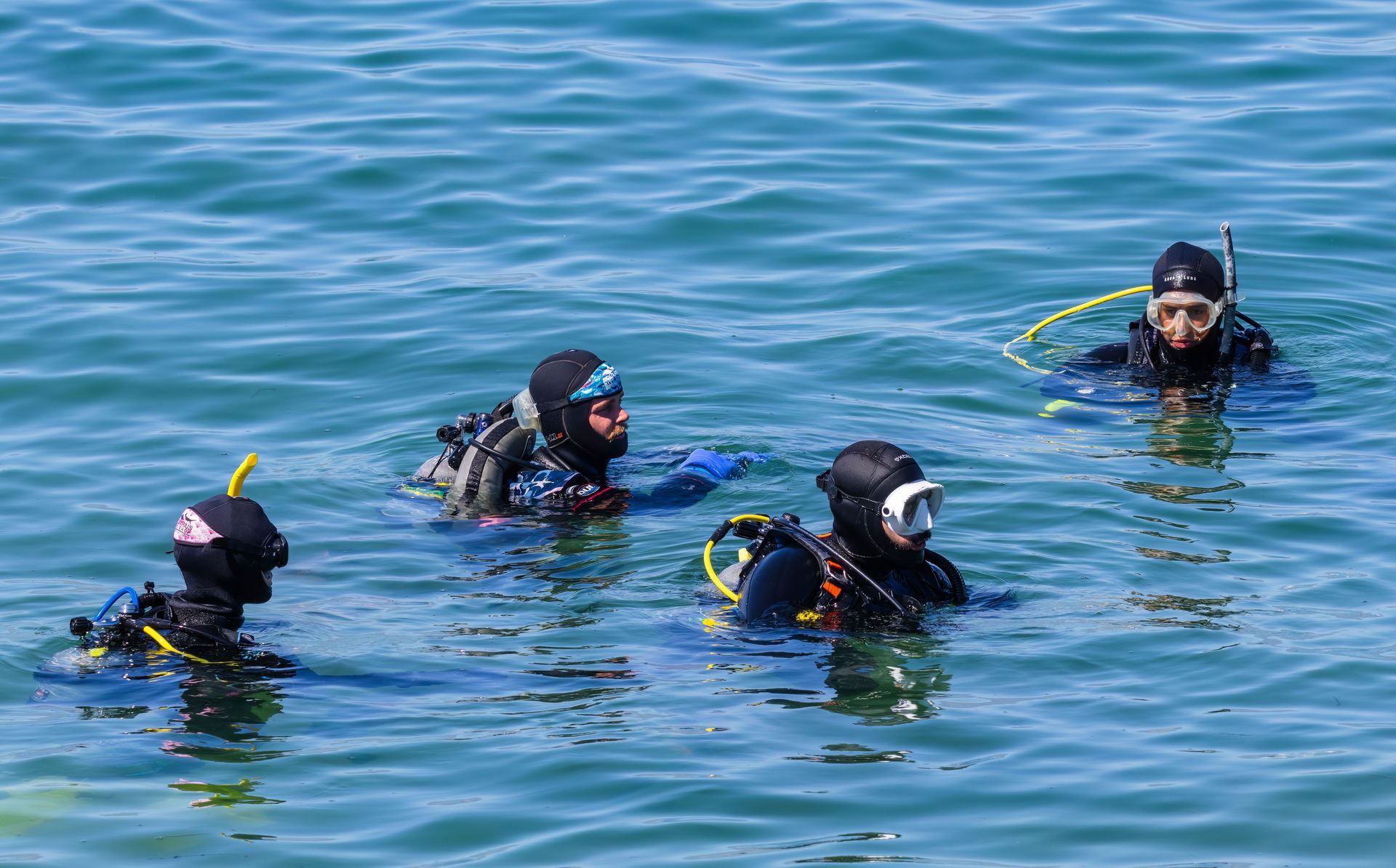
Whether you're diving off Florida's coast, kayaking nearshore reefs, or joining a shellfish harvest, choosing the right catch bag is essential for protecting your catch — and your safety. While lobster and crab bags may seem similar at first glance, they are built for different functions, environments, and species.
In this guide, we’ll explore the key differences between lobster bags and crab bags, explain when to use each, and help you determine which one is right for your underwater hunting style.
Why Catch Bag Design Matters
Your catch bag isn't just a container — it’s an essential piece of safety and efficiency gear. The wrong type of bag can lead to:
- Lost catch
- Equipment failure
- Increased drag underwater
- Safety risks when handling aggressive or sharp species
Just like spearguns or tickle sticks, your bag should match the species you're targeting and the conditions you're diving in.
What Is a Lobster Bag?
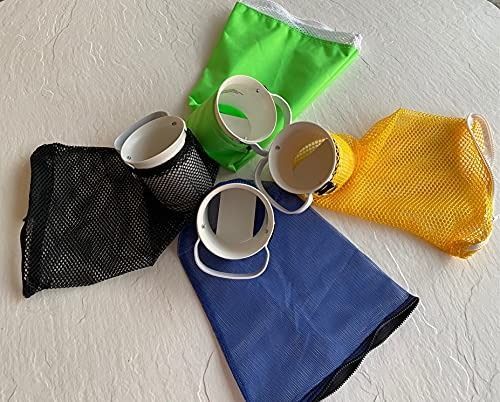
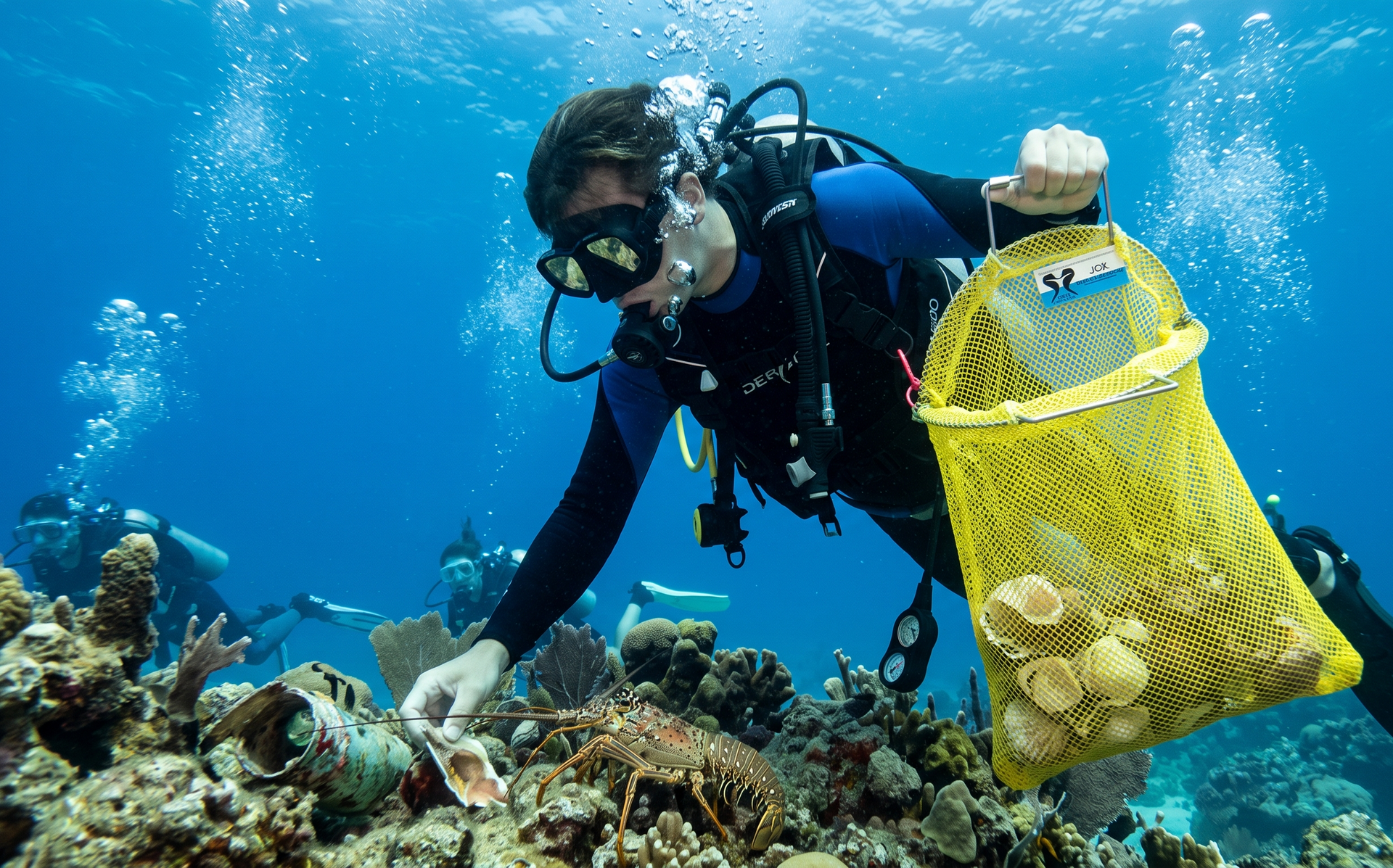
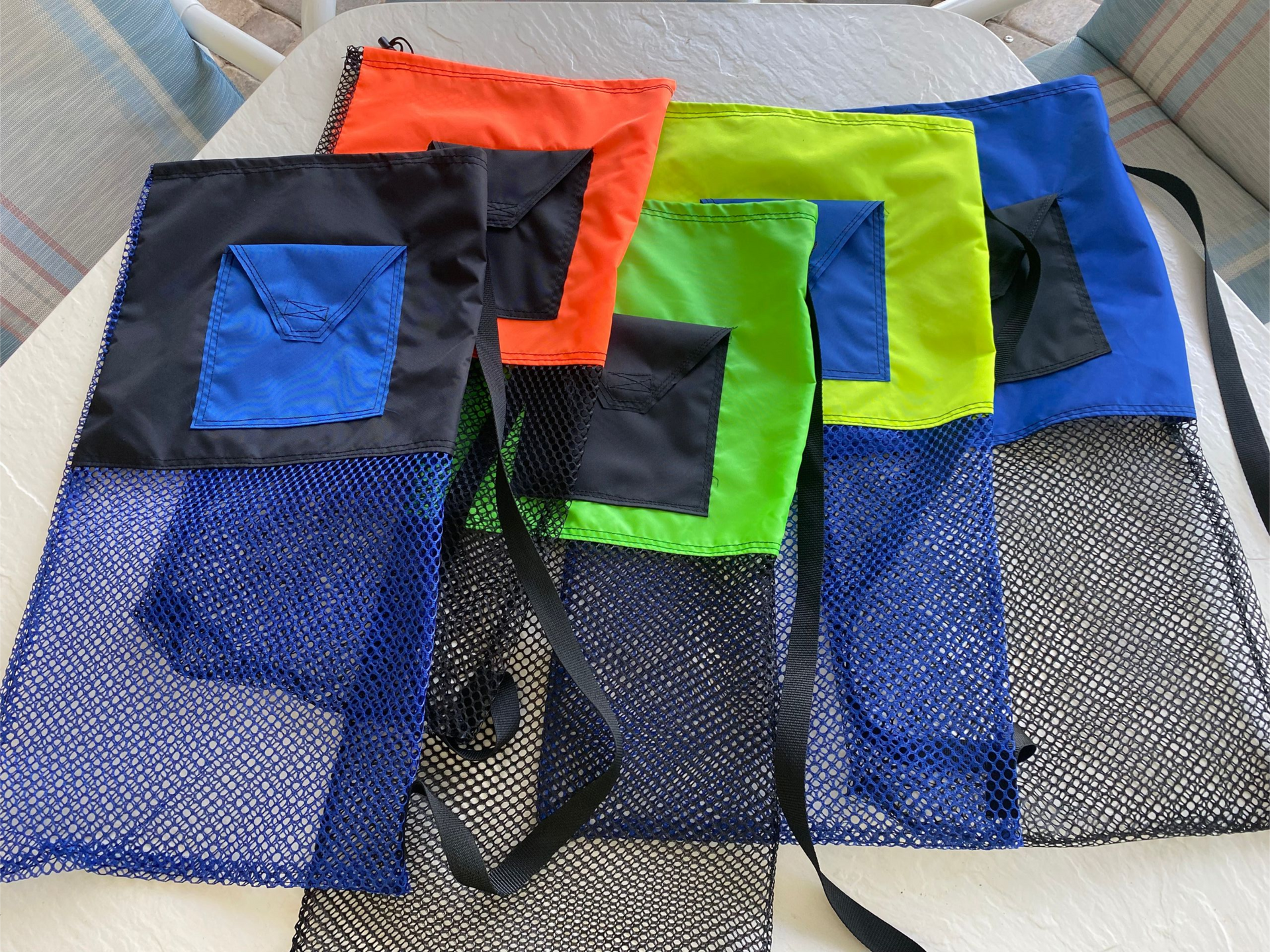
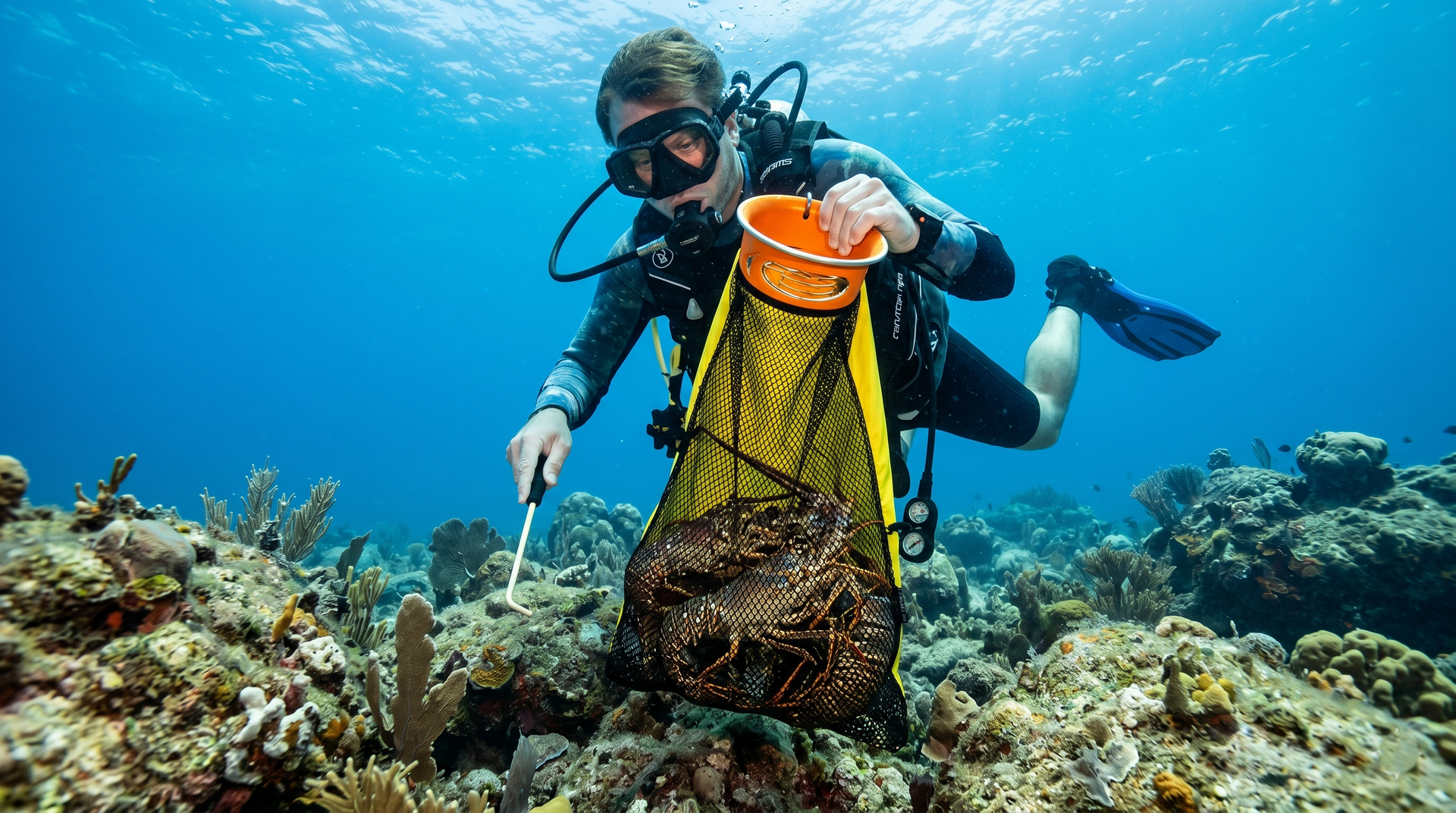
A lobster bag is designed specifically for spiny lobster diving, where speed, retention, and underwater handling are critical.
Key Features:
- One-way entry flap or top-loading access
- Designed for spiny lobsters that are strong and wriggly but not clawed
- Constructed to allow quick, one-handed insertion
- Reinforced mesh or canvas to prevent tearing
- Often includes attachment clips for belts, floats, or BCs
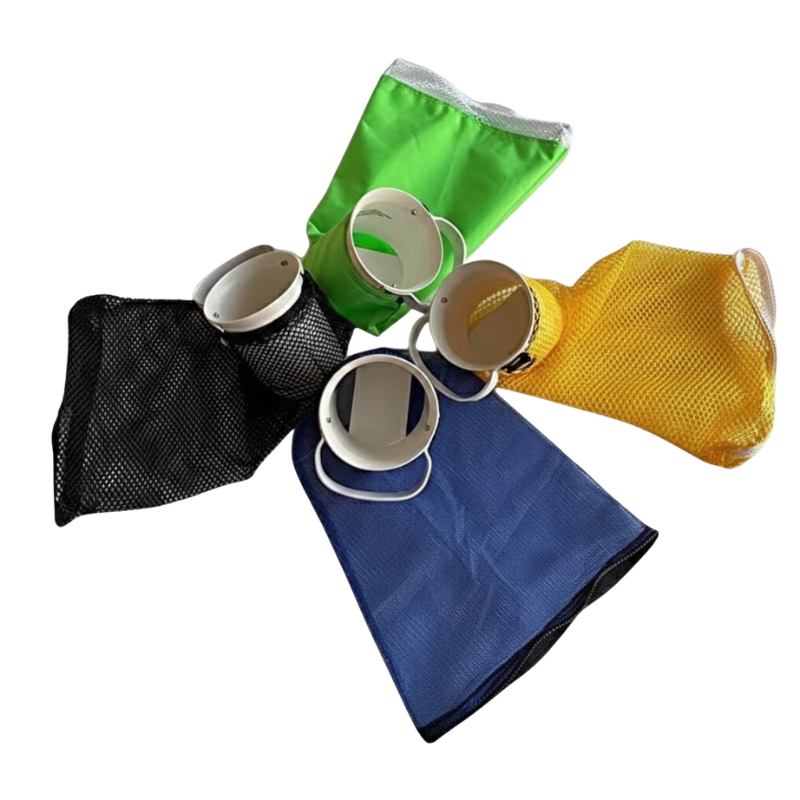
The best lobster bags — like the [Lobster Inn Bag – https://www.keystonediveproducts.com] — prevent your catch from escaping during insertion or transport, especially in fast-paced dives like Florida’s Mini-Season.
What Is a Crab Bag?
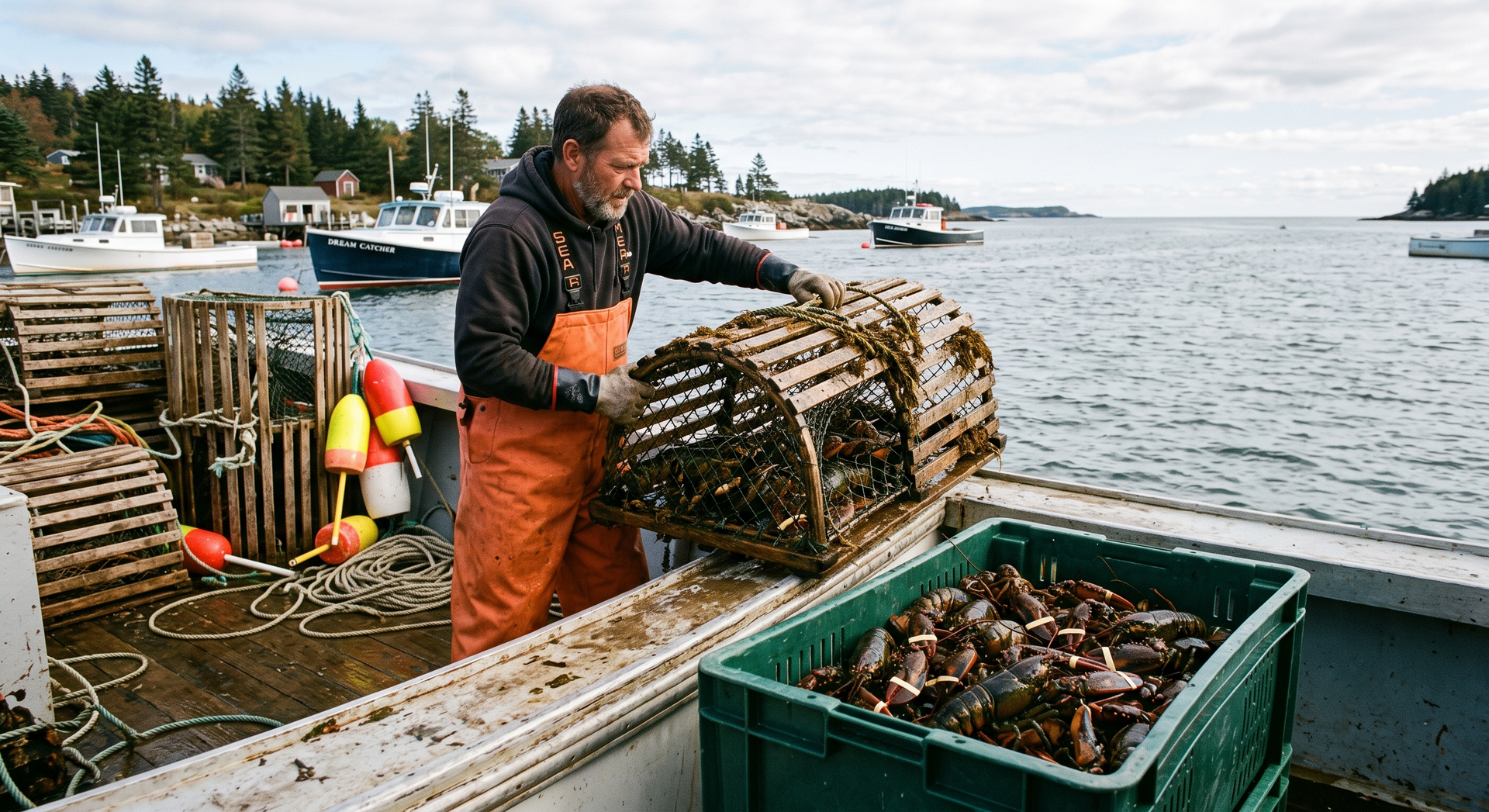
A crab bag, on the other hand, is designed to contain species with claws or hard shells, like blue crab, stone crab, or Dungeness crab. These species often:
- Try to escape using their claws
- Can damage bags or each other if placed together carelessly
- Require more containment and separation than lobsters
Key Features:
- Sturdier walls or semi-rigid shape to resist puncture
- Often includes dividers or internal mesh compartments
- Smaller top opening or locking lid
- May include drain holes for water release
- Designed for surface collection or shallow-water harvesting
Crab bags are often used on boats, piers, or shorelines — rather than during deep scuba dives.
Key Differences at a Glance
| Feature | Lobster Bag | Crab Bag |
|---|---|---|
| Designed For | Spiny lobsters (no claws) | Crabs (with claws) |
| Material | Mesh or canvas, lightweight | Rigid or reinforced material |
| Access Type | One-way flap or top-loading | Smaller opening or zippered lid |
| In-Water Use | Built for scuba/snorkel diving | Typically used near surface or shore |
| Retention Focus | Preventing escape | Preventing claw damage and separation |
| Size | Larger, accommodates full dive limit | Typically smaller, for batch collection |
When Should You Use a Lobster Bag?
Use a lobster bag when:
- You're diving in Florida or Caribbean waters
- You're targeting spiny lobster or slipper lobster
- You need quick, repeated access to the bag
- You want minimal drag and reliable closure
- You're participating in Mini-Season or a recreational harvest
For these scenarios, the Lobster Inn Bag is ideal. It’s lightweight, flexible, and built to secure lobster fast — without letting anything back out.
When Should You Use a Crab Bag?
Use a crab bag when:
- You’re harvesting blue crabs, Dungeness crabs, or stone crabs
- You need a rigid container to avoid crushing or damage
- You’re working from a boat, dock, or shallow tidal zone
- You’re not diving — just collecting or sorting on the surface
In these cases, a mesh dive bag may not be strong enough to handle multiple aggressive crabs.
Can One Bag Work for Both?
Technically, yes — but it’s not always ideal.
Some divers and anglers use multi-purpose bags, but these often make trade-offs in durability, size, or retention ability.
If you need a bag that can handle both lobster and crabs in moderate quantities, consider a reinforced one-way flap bag like the [Lobster Inn Bag – https://www.keystonediveproducts.com]. It’s strong enough for lobster, and with careful handling, can manage small crabs without damage.
However, if you plan to collect large or aggressive crabs in quantity, a crab-specific container is the better choice.
Tips for Catch Bag Use
1. Always Rinse After Every Dive
Saltwater breaks down fabric, stitching, and metal over time. Thorough rinsing helps extend the life of your bag — no matter the style.
2. Match the Bag to Your Dive
Don’t bring a crab bag on a 60-foot lobster dive. Use the right tool for the job to reduce drag, stay safe, and keep your catch intact.
3. Check Local Regulations
Some areas have bag limit rules, gear restrictions, or size minimums that affect how much — and how — you can harvest. Check with your local fish and wildlife office before heading out.
FAQs About Lobster vs. Crab Bags
Can I use a lobster bag for stone crab claws?
Yes, but handle claws carefully. Stone crab claws are sharp and heavy — ensure your bag is strong enough and that the flap seals well.
Do crab bags float?
Some do, especially if they have foam inserts or sealed bases. Lobster bags are typically neutrally buoyant or slightly negative.
Which bag is easier to use underwater?
Lobster bags — especially those with a one-way flap — are designed specifically for scuba or freediving. Crab bags are better suited to surface or shallow collection.
Can I modify a bag for multi-use?
Yes. Some divers add rigid liners or insert panels inside their lobster bags to accommodate different species. Just be cautious not to compromise the integrity of the flap or closure system.
Call to Action: Choose the Right Bag. Dive with Confidence.
Whether you're after lobster, crab, lionfish, or scallops, Keystone Dive Products has the tools to help you succeed underwater.
Recent Posts
Always Here When You Need Us
You can reach out any time — day or night. Our support is based in Palm City, Florida. We’re not a reseller or drop shipper. We build what we sell, and we back it up with personal service.