How to Clean and Maintain Your Dive Catch Bag After Saltwater Use

August 3, 2026

How to Clean and Maintain Your Dive Catch Bag After Saltwater Use

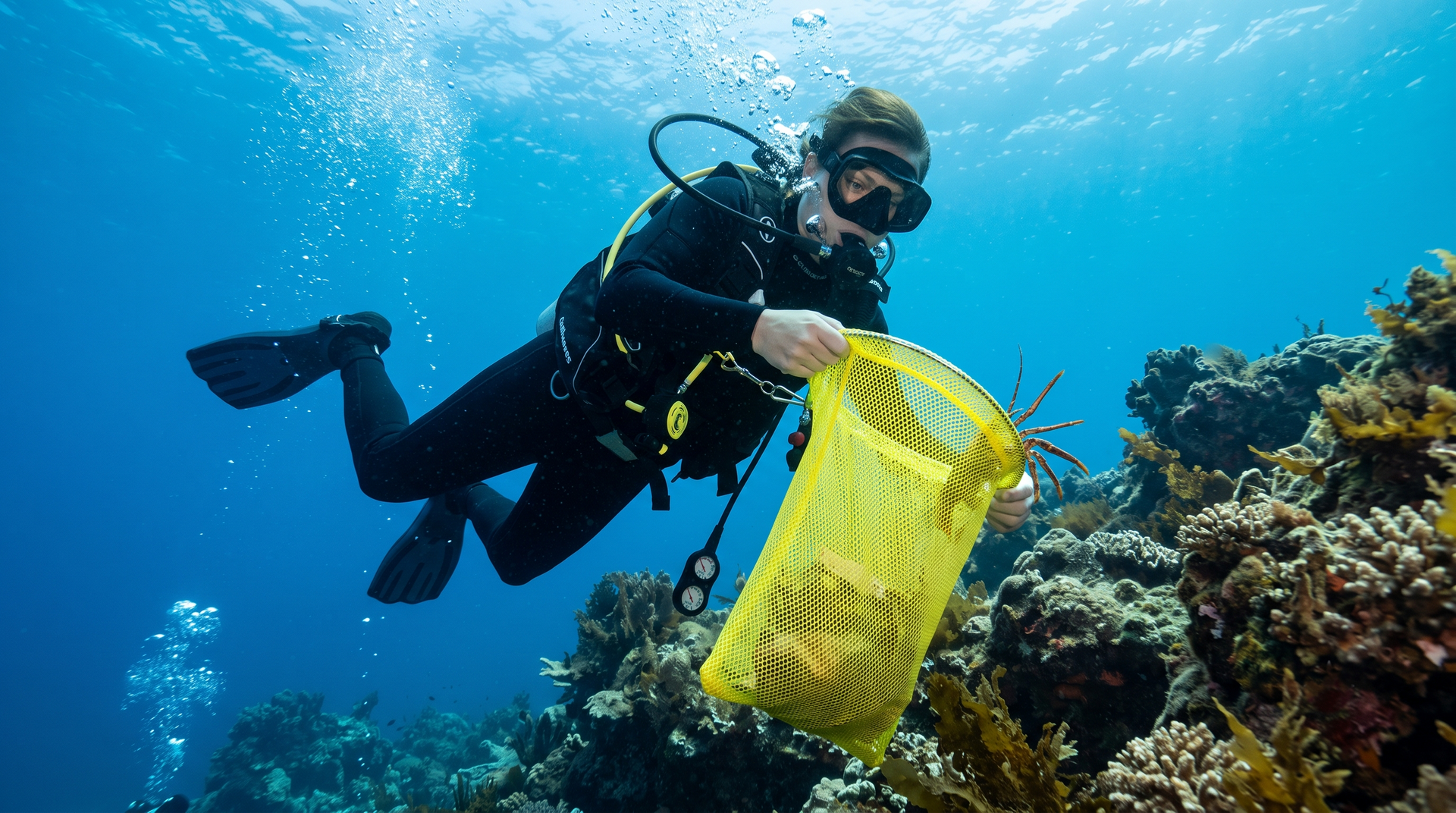
Scuba diver swimming underwater beside a coral reef, reaching for a yellow mesh trash bag

If you want your dive catch bag to last more than a season, proper cleaning and maintenance isn’t optional—it’s essential. Saltwater, sand, and marine debris can quickly break down materials, weaken stitching, and cause hardware failure. The good news is that with a simple routine, you can extend the life of your catch bag, maintain performance, and avoid costly replacements.

Whether you’re diving around Palm City, Jupiter, or anywhere along Florida’s coast, these maintenance steps will keep your gear in top condition.

Why Saltwater Is So Damaging to Dive Gear

Saltwater is one of the harshest environments for equipment.

After every dive, your bag is exposed to:

  • Salt crystals that dry and harden
  • Sand that gets trapped in mesh
  • Organic debris from marine life
  • Constant moisture

What Happens If You Don’t Clean It?

  • Materials become stiff and brittle
  • Mesh weakens over time
  • Seams begin to fail
  • Clips and hardware corrode

Even high-quality gear will degrade quickly without proper care.

Step-by-Step: How to Clean Your Catch Bag

Cleaning your dive bag doesn’t take long—but it needs to be done correctly.

Step 1: Rinse Immediately with Fresh Water

As soon as possible after your dive:

  • Rinse the bag thoroughly with fresh water
  • Focus on seams, mesh, and entry points
  • Remove visible sand and debris

Why This Matters:

Salt begins damaging materials as soon as it dries. Immediate rinsing prevents buildup.

Step 2: Soak for a Deep Clean

For best results:

  • Fill a container with fresh water
  • Submerge the bag completely
  • Let it soak for 15–30 minutes

This helps:

  • Dissolve salt crystals
  • Loosen embedded debris
  • Clean hard-to-reach areas

Step 3: Gently Scrub Problem Areas

If needed:

  • Use a soft brush or cloth
  • Focus on seams and corners
  • Avoid aggressive scrubbing

Important:

Don’t use harsh tools that could damage the mesh.

Step 4: Inspect for Damage

While cleaning, check for:

  • Loose stitching
  • Small tears
  • Worn mesh
  • Corroded clips

Catching issues early prevents bigger problems later.

Step 5: Air Dry Completely

After cleaning:

  • Hang the bag in a well-ventilated area
  • Keep it out of direct sunlight
  • Ensure it dries fully before storage

Avoid:

  • Leaving it wet in a gear bag
  • Drying in extreme heat

Moisture leads to mold, odor, and material breakdown.

What NOT to Do When Cleaning Your Catch Bag

Avoid these common mistakes:

1. Using Harsh Chemicals

Bleach or strong cleaners can:

  • Break down materials
  • Weaken stitching
  • Shorten lifespan

Stick to fresh water or mild soap if needed.

2. Skipping the Rinse

Even one missed rinse allows:

  • Salt buildup
  • Long-term damage

Consistency is key.

3. Storing While Wet

This leads to:

  • Mold growth
  • Bad odors
  • Material degradation

Always dry completely.

4. Ignoring Small Damage

Minor issues quickly become major failures underwater.

How Often Should You Clean Your Catch Bag

After Every Dive:

  • Quick rinse

After Heavy Use:

  • Full soak and inspection

Periodically:

  • Deep cleaning and maintenance check

Regular care keeps your gear reliable when you need it most.

Long-Term Maintenance Tips

To maximize lifespan:

  • Store in a cool, dry place
  • Keep out of direct sunlight when not in use
  • Avoid crushing or folding tightly
  • Check clips and attachment points regularly

Good storage is just as important as cleaning.

Signs It’s Time to Replace Your Catch Bag

Even with proper care, all gear eventually wears out.

Watch for:

  • Significant mesh weakening
  • Large tears
  • Failing seams
  • Corroded hardware

If your bag can’t securely hold your catch, it’s time for an upgrade.

Florida Conditions Require Extra Care

In areas like:

  • Palm City
  • Stuart
  • Jupiter
  • Florida Keys

You’re dealing with:

  • Warm saltwater
  • Frequent use
  • Sandy environments

This accelerates wear—making maintenance even more important.

Recommended Replacement and Upgrade Options

If your bag is showing signs of wear, don’t wait for it to fail mid-dive.

Upgrade here:
[Lobster Catch Bags –
https://www.keystonediveproducts.com/]

Explore all gear:
[All Dive Products –
https://www.keystonediveproducts.com/]

Built for durability in real Florida conditions.

FAQs

How do I clean a dive catch bag after saltwater use?

Rinse with fresh water, soak, lightly scrub, and air dry completely.

Can I use soap to clean my catch bag?

Yes, but only mild soap—avoid harsh chemicals.

How often should I clean my bag?

Rinse after every dive and deep clean regularly.

What happens if I don’t clean my bag?

Salt and debris will damage materials and shorten lifespan.

How do I know when to replace my bag?

When you see tears, weak mesh, or failing seams.

Call to Action: Protect Your Gear and Your Catch

Your catch bag is one of your most important tools—take care of it.

And when it’s time to upgrade, choose gear built to last.

Shop now:
[Shop Dive Products –
https://www.keystonediveproducts.com/]

Serving Palm City and divers across Florida.

Recent Posts

Stay Informed. Dive Prepared.
Fisherman unloading lobster traps on a dock beside a green bin and calm coastal water
July 17, 2026
Get ready for Florida's Lobster Mini Season with this Treasure Coast diving checklist. Learn what gear to bring, where to dive, and prepare for a great trip.
Scuba diver swimming over a coral reef surrounded by bright orange fish in clear blue water
July 2, 2026
Discover the amazing marine life you can encounter while snorkeling along Florida's Treasure Coast, from Stuart to Jupiter. Explore reefs, sea turtles, and fish now.
Snorkelers above a vibrant coral reef in clear turquoise water
June 17, 2026
Discover the best snorkeling spots from Stuart to Jupiter, Florida. Explore reefs, marine life, and underwater adventures along the Treasure Coast today! Book today!
Large fish on a grill in a boat, with a person holding a yellow lighter nearby
June 2, 2026
Discover the best scalloping gear setup for Florida. Improve efficiency, comfort, and catch success this season with expert tips and must-have equipment today!
Close-up of textured seashells in brown, beige, and white tones piled together
May 18, 2026
Florida scallop season starts soon. Learn where to go, what gear you need, and how to collect scallops safely, legally, and efficiently this season. Fun with experts
Stack of colorful mesh tote bags with blue, orange, green, and black panels
April 30, 2026
Lobster bag vs game bag—learn which is best for Florida diving. Stop losing your catch and choose the right gear for secure, efficient, and successful dives.
A scuba diver collects invasive lionfish in a yellow mesh bag while swimming over a coral reef in blue water.
April 15, 2026
Find the best lobster catch bag for Florida mini season. Keep your catch secure with durable Florida-made gear and order early before the season starts today.
Three mesh bags of various shellfish sitting on a wooden surface at an outdoor market with fishing boats in the background.
March 25, 2026
Collecting scallops, oysters, or clams? Find out which catch bag features keep your shellfish secure, clean, and easy to carry for a safe, hassle-free harvest.
Lobsters in a tank, yellow and purple spotted shells on rocks, antennae extended.
March 10, 2026
Not sure what size lobster is legal in Florida? Learn how to measure lobster correctly, avoid fines, and stay compliant during the 2025 Florida lobster season.
February 23, 2026
Avoid lobster diving mistakes that waste time, risk safety, and reduce your catch. Learn what not to do when hunting lobster in Florida for a safer, better dive.
Show More

Always Here When You Need Us

You can reach out any time — day or night. Our support is based in Palm City, Florida. We’re not a reseller or drop shipper. We build what we sell, and we back it up with personal service.