Marine Life You'll See While Snorkeling Along Florida's Treasure Coast

July 2, 2026

What Marine Life Can You See While Snorkeling Along Florida’s Treasure Coast?

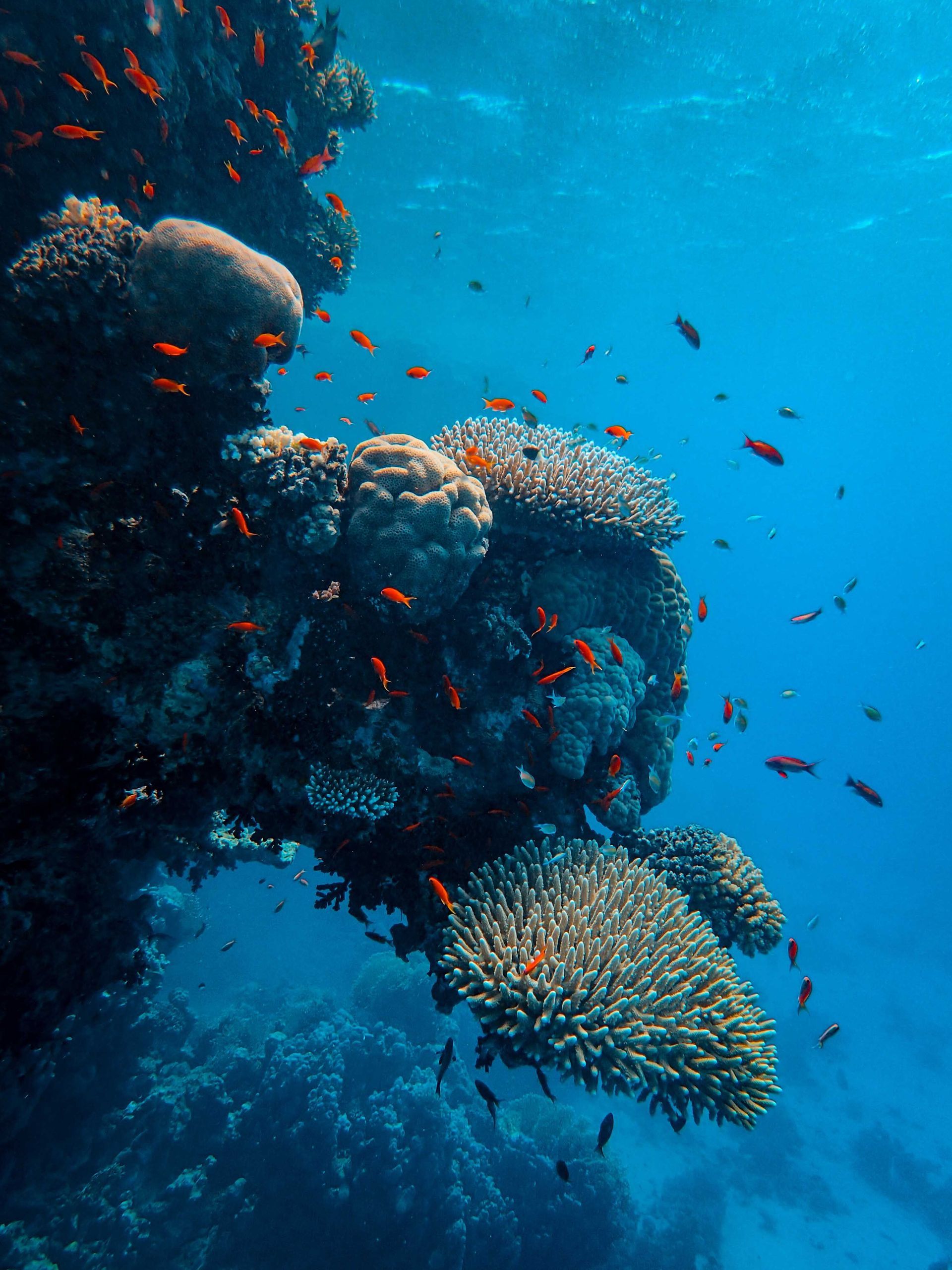
Colorful fish around coral reef underwater in clear blue ocean

One of the best parts about snorkeling along Florida's Treasure Coast isn't just getting in the water—it's discovering the incredible marine life that calls this stretch of coastline home. From Stuart and Jensen Beach to Hobe Sound and Jupiter, South Florida offers an amazing opportunity to observe colorful fish, graceful sea turtles, stingrays, and other fascinating underwater creatures without traveling to the Florida Keys.

Whether you're exploring Bathtub Reef Beach in Stuart, the calm waters of Dubois Park in Jupiter, or one of the area's many natural reefs, every snorkeling trip offers something new. No two days are exactly alike, and that's part of what keeps both locals and visitors coming back.

If you're planning a snorkeling adventure this summer, here's a guide to some of the incredible marine life you may encounter along the Treasure Coast.

Why the Treasure Coast Is Rich in Marine Life

The waters between Stuart and Jupiter are home to a wide variety of marine habitats.

These include:

  • Natural limestone reefs
  • Artificial reef systems
  • Seagrass beds
  • Inlets
  • Mangrove shorelines
  • Sandy flats

Because these habitats are so diverse, they attract hundreds of different marine species throughout the year.

The nearby Gulf Stream also plays an important role, bringing warmer water and tropical fish close to Florida's east coast.

Tropical Reef Fish

For many snorkelers, colorful reef fish are the first thing they notice.

Some of the most common species include:

Sergeant Majors

These brightly striped fish are among the easiest to recognize.

They're curious, plentiful, and often swim close to snorkelers.

Blue Tang

Known for their brilliant blue coloring, Blue Tang are commonly seen around reef structures.

They spend much of their day grazing on algae and are completely harmless to people.

Parrotfish

Parrotfish are some of the most colorful fish in Florida waters.

Listen closely while snorkeling around rocky reefs—you may actually hear them nibbling algae from coral and limestone with their beak-like mouths.

French Grunts

French Grunts often gather in schools beneath ledges and around reef formations.

Their yellow stripes make them easy to identify underwater.

Sea Turtles

Seeing a sea turtle in the wild is an unforgettable experience.

The Treasure Coast provides habitat for several sea turtle species, including:

  • Loggerhead turtles
  • Green sea turtles
  • Occasionally juvenile Hawksbill turtles

Sea turtles may be spotted:

  • Feeding near reefs
  • Swimming along beaches
  • Resting near rocky structures

If you're fortunate enough to encounter one, admire it from a respectful distance and never attempt to touch or follow it closely.

Southern Stingrays

Don't let their reputation scare you.

Southern stingrays are generally shy animals that prefer to avoid people.

You may notice them:

  • Resting on sandy bottoms
  • Gliding gracefully through shallow water
  • Searching for shellfish beneath the sand

Shuffling your feet while entering shallow water can help alert stingrays to your presence.

Schools of Baitfish

One of the most exciting sights while snorkeling is swimming through large schools of baitfish.

These shimmering groups often include:

  • Pilchards
  • Sardines
  • Silversides
  • Mullet

Their synchronized movement creates an incredible underwater display and often attracts larger predator fish nearby.

Snook and Tarpon

Around inlets and bridges, larger game fish are common.

Snook are often found:

  • Along seawalls
  • Near docks
  • Around mangroves

Tarpon occasionally cruise through the area as well, especially during warmer months.

While they're prized sport fish, they're equally impressive to observe while snorkeling.

Crabs and Other Small Creatures

Not everything worth seeing is large.

Take time to look carefully among rocks and seagrass.

You may discover:

  • Blue crabs
  • Hermit crabs
  • Decorator crabs
  • Shrimp
  • Sea stars
  • Sea urchins

These smaller animals are often overlooked but are an important part of the local ecosystem.

Nurse Sharks

While uncommon, nurse sharks are occasionally seen resting beneath ledges or near reef structures.

Despite their size, they're generally slow-moving and non-aggressive toward humans.

Most encounters involve the shark resting peacefully on the bottom before slowly swimming away.

Like all marine wildlife, they should be observed from a respectful distance.

Dolphins from the Surface

Although dolphins aren't usually encountered while snorkeling underwater, it's not uncommon to spot them while entering or leaving the water.

Pods of bottlenose dolphins frequently travel along the Treasure Coast, especially near:

  • Jupiter Inlet
  • Hobe Sound
  • Stuart shoreline

Watching dolphins from the beach or while floating at the surface is often a highlight of any trip.

Seasonal Visitors

Depending on the time of year, you may also encounter seasonal marine life.

Summer often brings:

  • Juvenile tropical fish
  • Sea turtle activity
  • Increased baitfish populations

Winter visitors can include:

  • Manatees in protected waterways
  • Different migratory fish species

Every season offers something unique beneath the surface.

Where You're Most Likely to See Marine Life

Some of the area's best snorkeling locations include:

Bathtub Reef Beach (Stuart)

Excellent for:

  • Reef fish
  • Juvenile marine species
  • Calm water snorkeling

Hobe Sound Beach

Known for:

  • Natural shoreline
  • Tropical fish
  • Sea turtle sightings

Blowing Rocks Preserve

Great for:

  • Rocky marine habitat
  • Fish diversity
  • Coastal wildlife

Tip: Wear water shoes here because the limestone shoreline, rocks, oyster shells, and uneven footing can make entering and exiting the water difficult.

Dubois Park (Jupiter)

Perfect for:

  • Families
  • Beginners
  • Small reef fish
  • Calm lagoon snorkeling

Cato's Bridge Area

Often overlooked but worth exploring for:

  • Stingrays
  • Baitfish
  • Seagrass ecosystems
  • Juvenile fish

Local Tip: Water shoes are highly recommended here because of the sharp rocks, oyster shells, and rough limestone along portions of the shoreline.

Responsible Wildlife Viewing

Florida's marine life is one of the Treasure Coast's greatest assets.

Help protect it by following a few simple guidelines:

  • Never chase wildlife
  • Don't feed fish
  • Avoid touching coral or reef structures
  • Observe sea turtles from a distance
  • Leave shells occupied by living animals where you find them
  • Pack out everything you bring

Responsible snorkeling helps preserve these ecosystems for future generations.

Gear That Makes Your Snorkeling Trip Better

You don't need expensive equipment to enjoy the Treasure Coast, but quality gear can make your trip much more comfortable.

Consider bringing:

  • A properly fitted mask
  • Comfortable snorkel
  • Fins
  • Water shoes
  • Rash guard or UV shirt
  • Reef-safe sunscreen
  • Dry bag for valuables

If you're also planning to enjoy Florida's scallop season or participate in other legal harvesting activities later in the year, it's a great time to upgrade your gear.

FAQs

What marine life is most common while snorkeling on the Treasure Coast?

Most snorkelers see tropical reef fish, stingrays, crabs, baitfish, and occasionally sea turtles.

Are there sea turtles near Stuart and Jupiter?

Yes. Loggerhead and green sea turtles are regularly spotted throughout the Treasure Coast, especially during the warmer months.

Is it safe to snorkel with stingrays?

Yes. Southern stingrays are generally shy and prefer to avoid people. Give them plenty of space and shuffle your feet when entering shallow water.

Should I wear water shoes?

Absolutely. Water shoes are recommended at Blowing Rocks Preserve, Cato's Bridge, and other areas with rocky shorelines or oyster shells.

What is the best time of day to snorkel?

Morning typically offers the calmest water, the clearest visibility, and the best chance to observe active marine life.

Call to Action: Experience the Treasure Coast's Incredible Underwater World

From colorful reef fish and graceful sea turtles to stingrays gliding across the sandy bottom, every snorkeling trip along Florida's Treasure Coast offers the chance to experience something unforgettable.

Whether you're exploring Stuart, Hobe Sound, or Jupiter, having dependable gear helps you stay comfortable and enjoy more time in the water.

Explore Florida-tested dive gear and catch products today:

[Shop Dive Products – https://www.keystonediveproducts.com]

Proudly serving Palm City, Stuart, Jensen Beach, Hobe Sound, Jupiter, and water enthusiasts throughout South Florida.

Recent Posts

Stay Informed. Dive Prepared.
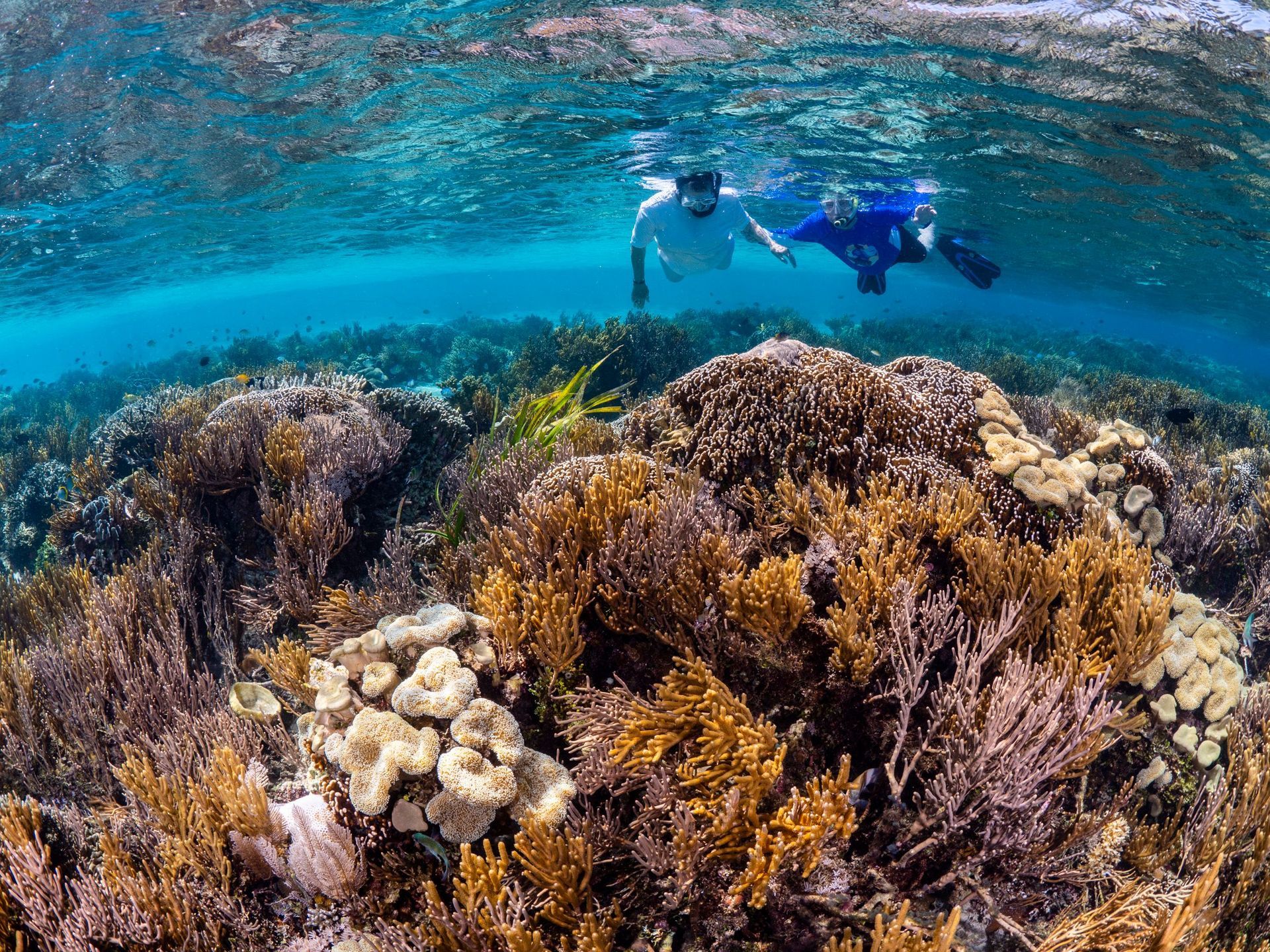
Snorkelers above a vibrant coral reef in clear turquoise water
June 17, 2026
Discover the best snorkeling spots from Stuart to Jupiter, Florida. Explore reefs, marine life, and underwater adventures along the Treasure Coast today! Book today!
Large fish on a grill in a boat, with a person holding a yellow lighter nearby
June 2, 2026
Discover the best scalloping gear setup for Florida. Improve efficiency, comfort, and catch success this season with expert tips and must-have equipment today!
Close-up of textured seashells in brown, beige, and white tones piled together
May 18, 2026
Florida scallop season starts soon. Learn where to go, what gear you need, and how to collect scallops safely, legally, and efficiently this season. Fun with experts
Stack of colorful mesh tote bags with blue, orange, green, and black panels
April 30, 2026
Lobster bag vs game bag—learn which is best for Florida diving. Stop losing your catch and choose the right gear for secure, efficient, and successful dives.
A scuba diver collects invasive lionfish in a yellow mesh bag while swimming over a coral reef in blue water.
April 15, 2026
Find the best lobster catch bag for Florida mini season. Keep your catch secure with durable Florida-made gear and order early before the season starts today.
Three mesh bags of various shellfish sitting on a wooden surface at an outdoor market with fishing boats in the background.
March 25, 2026
Collecting scallops, oysters, or clams? Find out which catch bag features keep your shellfish secure, clean, and easy to carry for a safe, hassle-free harvest.
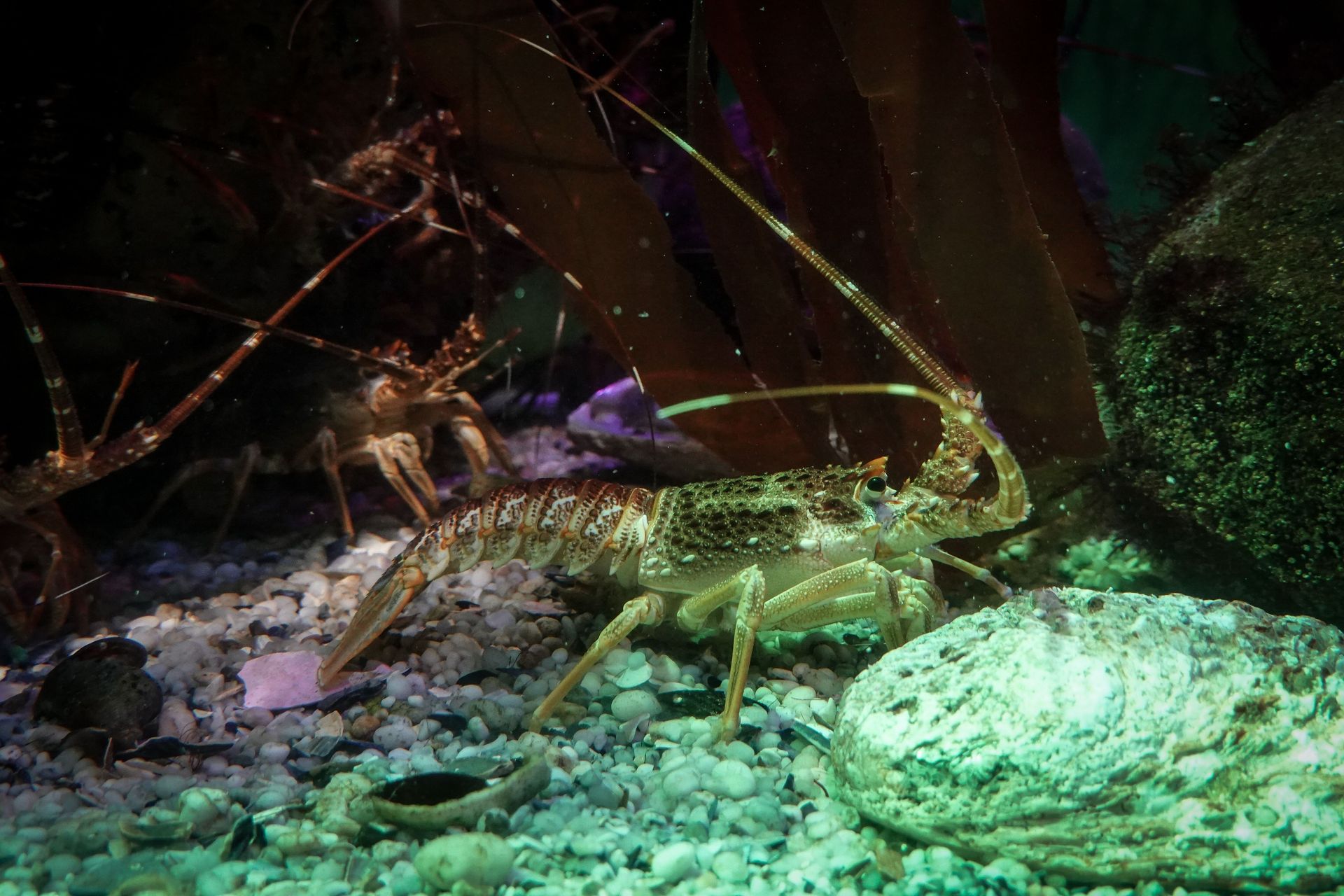
Lobsters in a tank, yellow and purple spotted shells on rocks, antennae extended.
March 10, 2026
Not sure what size lobster is legal in Florida? Learn how to measure lobster correctly, avoid fines, and stay compliant during the 2025 Florida lobster season.
February 23, 2026
Avoid lobster diving mistakes that waste time, risk safety, and reduce your catch. Learn what not to do when hunting lobster in Florida for a safer, better dive.
Green and black mesh bag with open white pot and lid on a light gray surface.
February 5, 2026
Planning to catch lobster in Florida? Don’t dive without this essential gear checklist for recreational lobster hunters. Safety, success, and efficiency start here.
Mesh bag with colorful fabric squares and handles. Blue, orange, green, and black patches.
January 21, 2026
Not sure whether to use a lobster bag or crab bag? Learn the key differences and how to choose the right catch bag for your next dive
Show More

Always Here When You Need Us

You can reach out any time — day or night. Our support is based in Palm City, Florida. We’re not a reseller or drop shipper. We build what we sell, and we back it up with personal service.