How to Find Spiny Lobster in Florida During the Regular Season

September 18, 2026

How to find spiny lobster in Florida

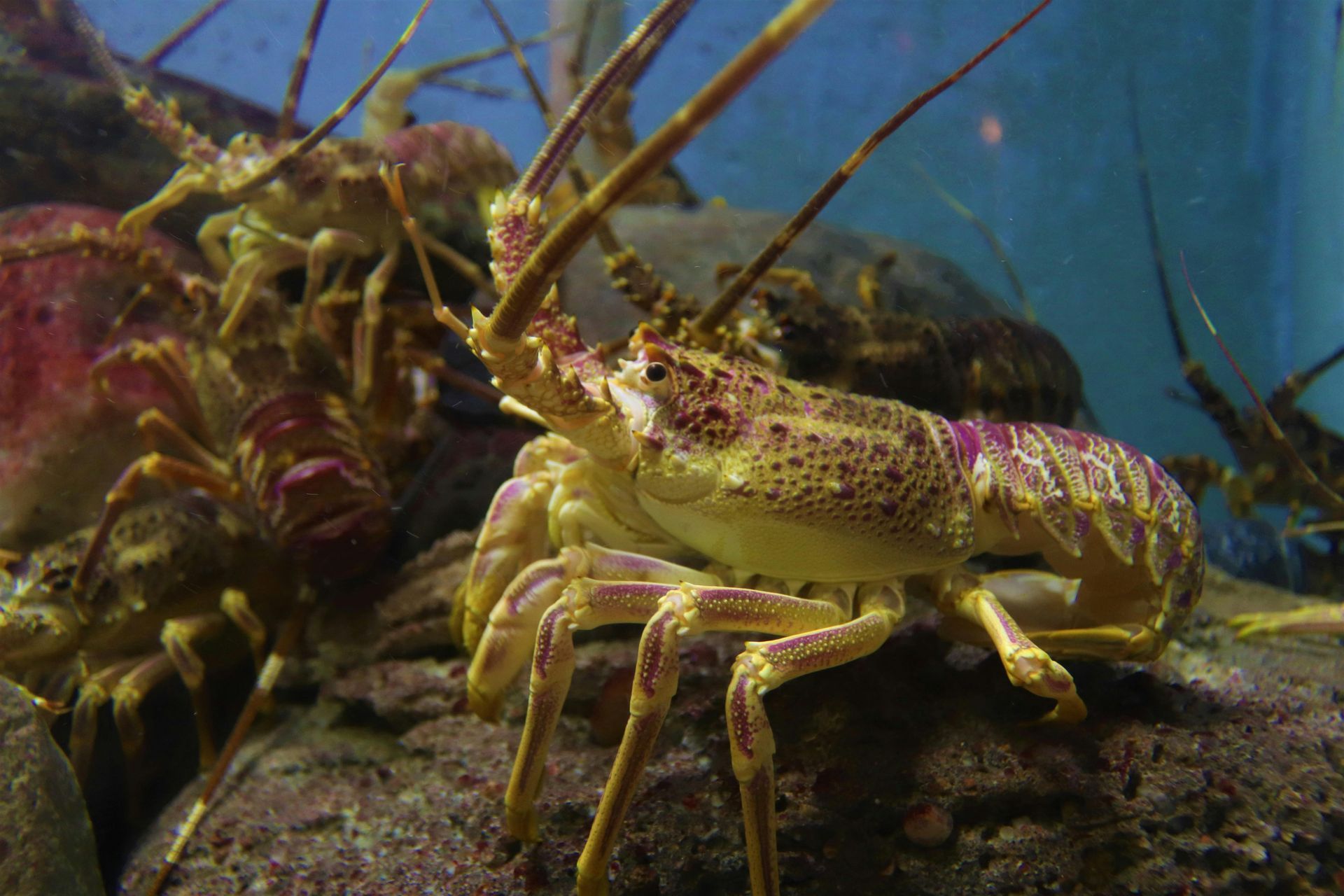
Spiny crab on a rocky seabed with seaweed, against a blue underwater background

If you want to find spiny lobster in Florida during the regular season, start by searching areas that provide good cover: reefs, rocky ledges, crevices, holes, and other hard-bottom habitat. During daylight hours, Florida spiny lobster commonly shelter rather than wander in the open, so successful divers learn to look under and into structure, not simply swim over the reef hoping to spot a lobster walking around.

For divers around Stuart, Palm City, Hobe Sound, Jupiter, and elsewhere in South Florida, finding lobster is partly about knowing the habitat and partly about slowing down enough to notice the clues.

Once you find them, however, there's another challenge: getting a legal lobster into your catch bag and keeping it there.

Here's what Florida divers should know before their next regular-season lobster hunt.

When Is Florida's Regular Spiny Lobster Season?

Florida's regular recreational spiny lobster season runs from August 6 through March 31. For the current 2026–27 season, that means recreational harvest is open through March 31, 2027.

This is different from Florida's two-day recreational sport season, commonly called Mini Season, which occurs before regular season.

During regular season, recreational harvesters have a daily bag limit of six spiny lobster per person. The carapace must measure larger than three inches, and lobster must be measured while in the water. Divers harvesting lobster are required to possess and use an appropriate measuring device.

Egg-bearing lobster cannot be harvested, and recreational harvesters must comply with licensing, lobster permit, harvest-method, possession, and location restrictions.

Regulations can change, so always check the current Florida Fish and Wildlife Conservation Commission rules before leaving the dock.

External Resource: [Florida Spiny Lobster Regulations – https://myfwc.com/fishing/saltwater/recreational/lobster/]

Where Do Spiny Lobster Hide During the Day?

Understanding lobster behavior immediately makes searching more efficient.

Florida spiny lobster are nocturnal. They generally remain sheltered during daylight hours and emerge after dark to forage.

That means daytime divers should concentrate on habitat that provides protection.

Look carefully around:

  • Rocky ledges
  • Reef crevices
  • Holes
  • Hard-bottom habitat
  • Coral reef structure
  • Undercuts
  • Protected spaces beneath structure
  • Areas with multiple potential hiding places

Instead of covering as much distance as possible, slow down when you encounter promising habitat.

A small ledge that looks unremarkable from above can hold lobster underneath it.

Look for Antennae Before You Look for the Whole Lobster

One of the most useful habits for a beginning lobster diver is learning not to expect a perfect view of the entire animal.

A lobster tucked underneath a ledge may expose very little of its body.

Its long antennae, however, can give away its position.

When approaching a ledge, stop and inspect the darker area underneath. Look for long antennae extending outward or subtle movement inside the hole.

A dive light can make a significant difference here. Even during a bright South Florida afternoon, the space beneath a reef ledge can be dark enough to conceal lobster.

Scan carefully before moving on.

The difference between a diver who says, "There aren't any lobster here," and one who finds several can simply be how carefully each person checks the same structure.

Why Finding One Lobster Can Be a Good Sign

Don't immediately leave a productive-looking ledge after seeing one lobster.

Spiny lobster can congregate in shelters, so finding one may be a reason to inspect the surrounding area more carefully.

Check:

  • The same opening
  • Adjacent holes
  • The opposite side of the structure
  • Nearby ledges
  • Other protected spaces along the same reef

This is where patience becomes valuable.

Instead of racing from reef to reef, thoroughly investigate promising habitat before moving on.

What Type of Habitat Should You Search?

Spiny lobster use several types of habitat throughout their lives, including seagrass, nearshore hard bottom, and coral reef environments. As they mature, they move from nursery areas toward offshore reefs.

For recreational divers, that means understanding the bottom is often more valuable than randomly selecting a GPS coordinate.

When you're scouting, pay attention to transitions in habitat.

An otherwise sandy area that suddenly meets rocky structure, a reef ledge, or hard bottom deserves a closer look.

The objective isn't simply to find "a reef."

It's to identify the parts of that reef that offer the kind of shelter lobster use.

What Happens to Florida Lobster in the Fall?

Regular lobster season lasts for months, and lobster behavior isn't necessarily identical throughout that entire period.

Florida spiny lobster are known for an annual migration toward deeper water during late October and early November as water temperatures begin cooling.

During these movements, lobsters can travel in distinctive lines, maintaining contact with one another as they move.

For Florida divers, the important takeaway is simple: a location that was productive earlier in the season isn't guaranteed to remain equally productive later.

Water temperature, weather, habitat, depth, and seasonal movement can all influence what you encounter.

Being willing to adjust is part of successful lobster diving.

External Resource: [FWC Spiny Lobster Facts – https://myfwc.com/research/saltwater/crustaceans/lobster/facts/]

How Do You Approach a Lobster Under a Ledge?

Once you've found a lobster, avoid immediately rushing at it.

First, determine where it's positioned and where it may retreat.

A typical recreational setup may include:

  • Lobster gauge
  • Tickle stick
  • Hand net where appropriate
  • Gloves
  • Dive light
  • Secure catch bag

Move deliberately.

The goal is to encourage the lobster into a position where you can capture and measure it without damaging the animal or surrounding habitat.

Florida prohibits harvest methods using devices that puncture, penetrate, or crush the lobster's shell or flesh.

Before keeping any lobster, measure it correctly in the water.

If it's undersized, release it immediately.

If it's carrying eggs, it must also be released.

Measure Before You Bag

This deserves its own section because excitement can cause people to rush.

Catching a lobster does not automatically mean it's legal to keep.

Florida's minimum recreational size is based on the carapace. It must be larger than three inches, and measurement takes place in the water.

Keep your gauge somewhere you can reach easily.

You don't want to catch a lobster and then spend the next minute searching your equipment for the gauge.

A streamlined setup helps:

Find it → capture it → measure it → verify it's legal → secure it.

If the lobster doesn't meet the requirements, release it.

Don't Let Your Catch Bag Become the Weak Link

You've located a promising reef.

You've found the antennae.

You've worked the lobster out.

You've measured it.

It's legal.

Then you put it in your bag—and it gets back out.

That's an incredibly frustrating way to lose a lobster.

A catch bag isn't simply a place to carry your harvest. It's part of your underwater workflow.

Divers should be able to secure a lobster without fighting with complicated closures or constantly worrying about whether the previous catch is escaping while they deal with the next one.

That's exactly why Keystone Dive Products developed the Original Lobster Inn™.

Its patented one-way insert flap is designed to allow catch to enter while helping prevent it from escaping.

For a diver working multiple ledges, that simplicity matters. You want to concentrate on the next lobster rather than repeatedly checking whether the last one is still in the bag.

Internal Link: [Keystone Dive Products – https://www.keystonediveproducts.com/]

Organize Your Gear Before Entering the Water

The best lobster setup is not necessarily the setup with the most equipment.

It's the setup you can operate comfortably underwater.

Before your dive, know exactly where each tool is located.

Your lobster gauge should be easy to reach. Your light should be secure. Your catch bag should be positioned where you can access it without becoming tangled.

You should be able to move from spotting a lobster to measuring and securing it without searching through your equipment.

Practice your setup before the dive, especially if you're using new equipment.

What feels simple while standing on a boat can feel completely different underwater while wearing gloves and managing buoyancy.

Lobster Diving Around Stuart, Hobe Sound, and Jupiter

Treasure Coast and northern Palm Beach County divers have access to a diverse stretch of South Florida water.

From Stuart and Palm City south through Hobe Sound and Jupiter, local divers encounter offshore reef and hard-bottom environments that make this region worth exploring throughout lobster season.

Conditions, however, can vary substantially.

Visibility may change with:

  • Wind
  • Waves
  • Recent storms
  • Rainfall
  • Current
  • Tides
  • Inlet conditions

Don't judge an entire season by one poor-visibility dive.

Local knowledge develops over time. Pay attention to the conditions associated with your better dives and keep notes about depth, visibility, water temperature, habitat, and time of year.

Eventually, patterns begin to emerge.

Don't Forget Your Divers-Down Flag

Finding lobster is never more important than getting home safely.

Boating traffic can be significant in South Florida, particularly near inlets and popular offshore areas.

Follow Florida's current divers-down flag requirements and remain alert to boat traffic.

For 2026, FWC reminds divers to stay within 300 feet of a properly displayed divers-down flag or buoy in open water and within 100 feet in rivers, inlets, and navigation channels.

Boaters approaching a properly displayed divers-down flag must slow appropriately within the required distances.

Check the latest FWC boating and diving regulations before heading out.

Common Mistakes That Make Lobster Harder to Find

Sometimes the problem isn't that there are no lobster. It's how you're searching.

Swimming Too Fast

If you're trying to cover the entire reef quickly, you're likely to miss antennae tucked beneath ledges.

Slow down around good habitat.

Only Looking on Top of the Reef

Remember that daytime lobster want shelter.

Look underneath structure and into crevices.

Ignoring Small Ledges

A productive shelter doesn't need to look dramatic from above.

Inspect smaller openings too.

Leaving After Finding One Lobster

One lobster can indicate that the surrounding habitat is worth additional attention.

Using an Inefficient Gear Setup

If your equipment constantly gets in the way, you'll spend more time managing gear and less time searching.

Returning to One Spot Regardless of Conditions

Lobster move, conditions change, and productive areas vary through the season.

Be willing to explore.

What Is the Best Time to Look for Florida Spiny Lobster?

Because spiny lobster are nocturnal, they generally shelter during daylight hours and forage after dark.

For daytime recreational divers, this behavior can actually help narrow the search: focus on shelters rather than expecting lobster to be sitting in exposed areas.

The "best" time for a particular dive also depends on local sea conditions, visibility, current, your experience, and the specific area you're diving.

Never sacrifice safe conditions just because you want to get in the water at a particular time.

FAQ: Finding Spiny Lobster in Florida

Where is the best place to find spiny lobster in Florida?

Spiny lobster inhabit hard-bottom, seagrass, and coral reef environments. During the day, divers should pay particular attention to holes, ledges, crevices, and other sheltered reef structure.

What should I look for when searching for lobster?

Look for antennae extending from underneath ledges and into openings. A dive light can help you inspect dark areas where the lobster's body isn't immediately visible.

Do spiny lobster come out during the day?

Spiny lobster are primarily nocturnal and typically shelter during daylight hours. They emerge after dark to forage before returning to shelter.

When is regular lobster season in Florida?

Florida's regular spiny lobster season runs from August 6 through March 31. The current 2026–27 season ends March 31, 2027.

How many lobster can recreational divers keep during regular season?

The current recreational regular-season daily bag limit is six spiny lobster per person. Always verify current FWC regulations before harvesting.

How big does a Florida spiny lobster have to be?

The carapace must measure larger than three inches. Recreational harvesters must possess a measuring device and measure lobster while in the water.

What gear should I bring for lobster diving?

A typical setup includes a lobster gauge, gloves, dive light, tickle stick, appropriate capture equipment, and a secure catch bag in addition to your normal snorkeling, freediving, or scuba equipment.

Find Them, Measure Them, and Keep Your Catch Secure

Successful lobster diving isn't just about swimming farther or spending more hours underwater.

It's about learning where to look.

Understand the habitat. Slow down around good structure. Look for antennae underneath ledges. Thoroughly inspect productive areas. Measure every lobster before keeping it, and make sure your catch is secure before moving on to the next ledge.

For divers around Palm City, Stuart, Hobe Sound, Jupiter, and throughout South Florida, regular season provides months of opportunities to improve those skills.

And when you finally find that legal lobster, the last thing you want is for it to escape from your catch bag.

Keystone Dive Products Inc. manufactures the Original Lobster Inn™, featuring a patented one-way insert flap designed to help divers quickly secure their catch and keep moving.

[Explore Keystone Dive Products – https://www.keystonediveproducts.com/]

Get your gear ready, check the current regulations and conditions, and make the most of Florida's regular lobster season.

Recent Posts

Stay Informed. Dive Prepared.
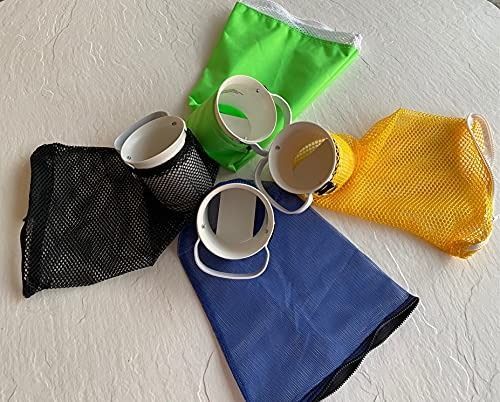
Five colorful mesh bags with white ring handles on a light surface, arranged like a fan.
September 2, 2026
Compare the Original Lobster Inn with traditional catch bags. Discover why one-way flap systems outperform zippers underwater for safer, easier lobster fishing.
Four scuba divers in black wetsuits and blue gear float in calm blue water.
August 18, 2026
Discover why Florida-made dive gear performs better in saltwater. Built for real conditions, not theory, with durable gear designed for serious divers for real use.
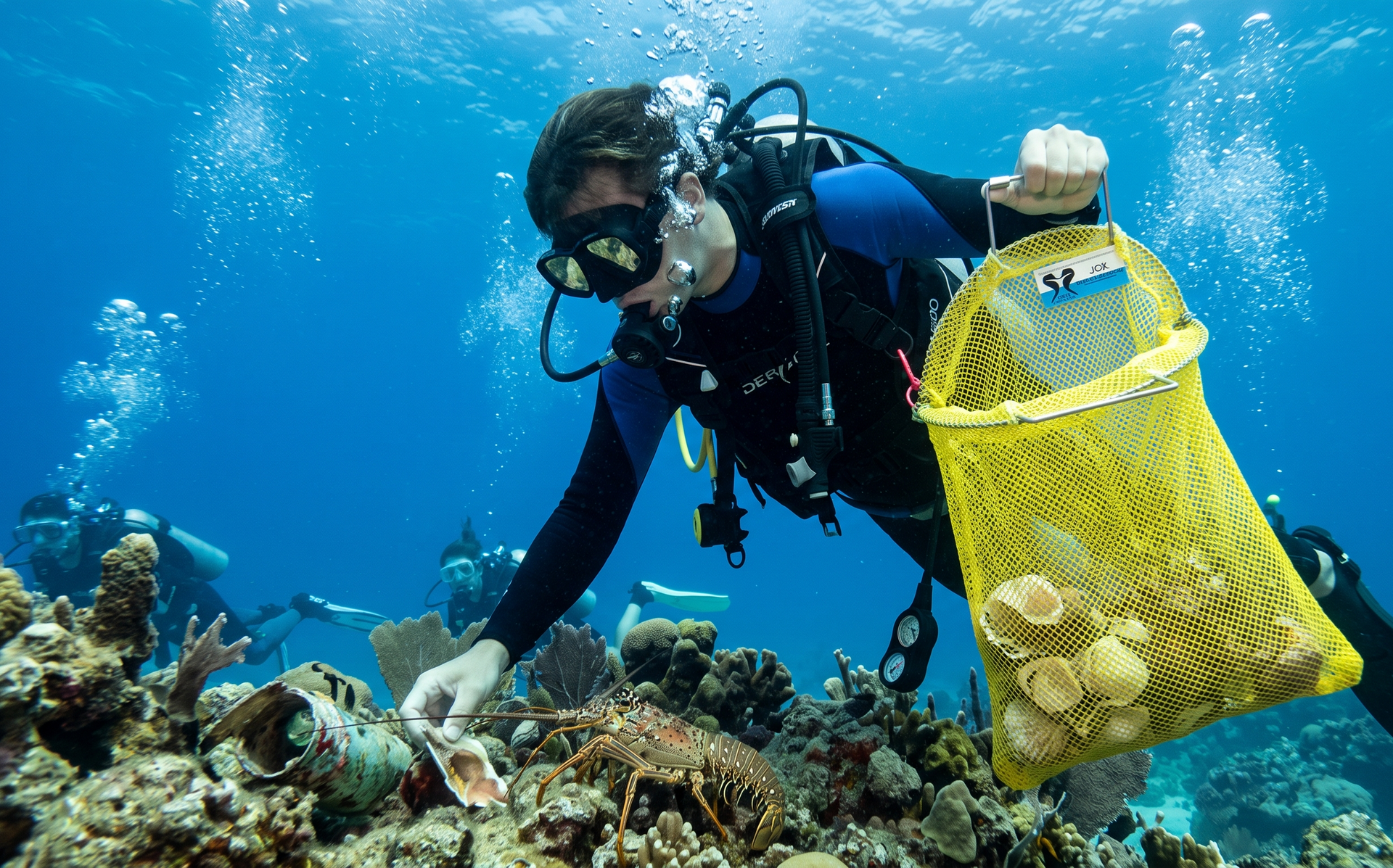
Scuba diver underwater collecting trash in a yellow mesh bag near a coral reef
August 3, 2026
Learn how to clean and maintain your dive catch bag after saltwater use. Extend gear life and keep performance high with proper care after every dive trip.
Fisherman unloading lobster traps on a dock beside a green bin and calm coastal water
July 17, 2026
Get ready for Florida's Lobster Mini Season with this Treasure Coast diving checklist. Learn what gear to bring, where to dive, and prepare for a great trip.
Scuba diver swimming over a coral reef surrounded by bright orange fish in clear blue water
July 2, 2026
Discover the amazing marine life you can encounter while snorkeling along Florida's Treasure Coast, from Stuart to Jupiter. Explore reefs, sea turtles, and fish now.
Snorkelers above a vibrant coral reef in clear turquoise water
June 17, 2026
Discover the best snorkeling spots from Stuart to Jupiter, Florida. Explore reefs, marine life, and underwater adventures along the Treasure Coast today! Book today!
Large fish on a grill in a boat, with a person holding a yellow lighter nearby
June 2, 2026
Discover the best scalloping gear setup for Florida. Improve efficiency, comfort, and catch success this season with expert tips and must-have equipment today!
Close-up of textured seashells in brown, beige, and white tones piled together
May 18, 2026
Florida scallop season starts soon. Learn where to go, what gear you need, and how to collect scallops safely, legally, and efficiently this season. Fun with experts
Stack of colorful mesh tote bags with blue, orange, green, and black panels
April 30, 2026
Lobster bag vs game bag—learn which is best for Florida diving. Stop losing your catch and choose the right gear for secure, efficient, and successful dives.
A scuba diver collects invasive lionfish in a yellow mesh bag while swimming over a coral reef in blue water.
April 15, 2026
Find the best lobster catch bag for Florida mini season. Keep your catch secure with durable Florida-made gear and order early before the season starts today.
Show More

Always Here When You Need Us

You can reach out any time — day or night. Our support is based in Palm City, Florida. We’re not a reseller or drop shipper. We build what we sell, and we back it up with personal service.