Best Tides for Snorkeling or Diving in South Florida
Best Tide for Snorkeling and Diving in South Florida

What's the best tide for snorkeling and diving in South Florida? There isn't one answer for every location, but an incoming tide and the period around high water can sometimes provide favorable visibility near coastal inlets because ocean water is moving inland. Divers also pay close attention to periods of weaker current, often called slack water. However, high tide and slack current are not necessarily the same thing.
That distinction is especially important when you're snorkeling or diving around places such as Stuart, Hobe Sound and Jupiter.
Picking the right time to enter the water can mean clearer visibility and more comfortable conditions. Picking the wrong time can leave you fighting current or looking through cloudy water.
Here's what South Florida snorkelers and divers should understand about tides before planning their next trip.
First: What's the Difference Between Tide and Current?
People often use "tide" and "current" as though they mean the same thing.
They don't.
A tide refers to the regular rise and fall of the ocean's water level. A current describes water moving horizontally from one place to another.
Tides can create currents.
As the tide rises, water moving toward shore and into bays and estuaries produces what is called a flood current.
As the tide falls, water moving back toward the ocean produces an ebb current.
Between these periods of stronger movement, current can weaken substantially. This is known as slack water or slack current.
This distinction becomes particularly important around inlets, channels and narrow waterways where tidal currents can be considerably stronger than they are along an open beach.
External Resource: [NOAA Guide to Tides and Water Levels – https://oceanservice.noaa.gov/education/tutorial_tides/tides01_intro.html]
Is High Tide the Best Time to Snorkel?
Sometimes—but don't treat it as a universal rule.
For certain South Florida coastal snorkeling locations, the period around an incoming tide and high water can offer favorable conditions.
Why?
An incoming tide pushes ocean water toward shore and into coastal waterways. Depending on the location and recent conditions, that ocean water may provide better visibility than water flowing outward from an estuary or inland waterway.
That can make the incoming portion of the tidal cycle attractive to snorkelers.
But there are several important variables.
Visibility is also influenced by:
- Wind
- Waves
- Rainfall
- Runoff
- Boat traffic
- Bottom composition
- Recent storms
- Offshore conditions
- Location
That's why you shouldn't look at a tide chart, see "high tide at 11:30," and automatically assume you'll have perfect snorkeling at 11:30.
Think of the tide chart as one piece of the puzzle.
What Is Slack Tide?
You'll frequently hear local divers say they're waiting for "slack tide."
More accurately, what they often want is slack current or slack water.
This is the period when a reversing tidal current becomes weak before changing direction.
For example, water may be flowing into an inlet during the flood current. The flow eventually slows, reaches a relatively weak period, then reverses and begins flowing outward as an ebb current.
That weaker period can be valuable to divers because they aren't dealing with as much horizontal water movement.
However, there's a very important detail:
Slack current does not always occur at the exact time printed for high or low tide.
The relationship varies by location.
This is one reason experienced divers pay attention to both tide predictions and local current behavior rather than relying on a single high-tide time.
External Resource: [NOAA Tides & Currents – https://tidesandcurrents.noaa.gov/]
Why Does Tide Matter More Around Inlets?
If you're snorkeling at a relatively open beach, the effect of tidal current may be less dramatic than it is inside or adjacent to an inlet.
Inlets funnel water through narrower spaces.
That can create substantial current as water moves between the ocean and inland waterways.
For South Florida divers, this is particularly relevant around areas such as:
- Jupiter Inlet
- The waters near Cato's Bridge
- St. Lucie Inlet
- Other channels and tidal waterways
These aren't places where you should simply jump in because the weather looks beautiful.
You need to understand what the water is doing.
NOAA notes that tidal currents can become much stronger around estuary entrances, narrow straits and inlets than they typically are in the open ocean.
That means timing becomes more important—not just for visibility, but for safety.
Why an Incoming Tide Can Improve Visibility
Imagine water moving out of an inland waterway after rainfall.
That outgoing water may carry:
- Sediment
- Organic material
- Runoff
- Suspended particles
Now imagine the direction reversing.
Ocean water begins pushing inland.
Depending on the location and conditions, that incoming water can sometimes provide clearer visibility.
That's one reason South Florida snorkelers often pay close attention to the incoming portion of the tidal cycle when planning trips near inlets.
But again, incoming tide does not guarantee clear water.
Strong winds, rough seas, recent storms or heavy rainfall can still produce disappointing visibility.
How Wind Changes Everything
You can pick a promising tide and still arrive to poor snorkeling conditions.
Wind is one reason.
Wind influences surface currents and waves. Strong onshore winds can make coastal water rough and stir up sediment, reducing visibility in shallow areas.
A calm morning may therefore produce a much better snorkeling experience than a windy afternoon even if the tide chart looks favorable later in the day.
When planning your outing, don't check only the tide.
Check:
- Wind speed
- Wind direction
- Wave conditions
- Marine forecast
- Weather radar
- Recent rainfall
The best snorkeling days often result from several favorable factors lining up at once.
Does Rain Affect Snorkeling Visibility?
It can, particularly around inlets and waterways influenced by runoff.
Heavy rainfall may introduce additional freshwater, sediment and organic material into rivers, canals and estuaries.
When that water moves toward the ocean on an outgoing tide, visibility near an inlet can sometimes decline.
This is another reason an otherwise beautiful sunny morning may not automatically mean clear water.
Consider what happened during the previous day or two.
If South Florida just experienced heavy rainfall or a storm, underwater conditions may still be affected after the skies clear.
What About Snorkeling Around Jupiter?
Jupiter is an excellent example of why understanding tides and currents matters.
The Jupiter Inlet connects the Atlantic Ocean with inland waterways, creating a dynamic environment where water movement changes throughout the tidal cycle.
Popular nearby snorkeling areas can experience noticeably different conditions depending on timing.
If you're planning to snorkel around Jupiter, don't rely on a generic "South Florida tide."
Check predictions for a nearby station.
NOAA maintains tide prediction locations throughout this portion of Florida, including stations around Jupiter Inlet, Jupiter Sound and Hobe Sound.
External Resource: [NOAA Tide Predictions – https://tidesandcurrents.noaa.gov/tide_predictions.html]
What About Cato's Bridge?
The Cato's Bridge area is popular with local snorkelers because of its marine life and access to the waters around Jupiter.
It's also a location where understanding current is important.
Before entering the water, observe the conditions and know what the tide and current are doing.
And remember another tip from our previous Treasure Coast snorkeling guide:
Wear water shoes.
Sharp rocks, oyster shells, rough limestone and uneven footing can make entering and exiting the water uncomfortable without proper footwear.
A good snorkeling day isn't just about what happens after you put your face underwater. Safe, comfortable entry and exit matter too.
Internal Linking Opportunity: Link this section to Blog #27, The Best Snorkeling Spots from Stuart to Jupiter, Florida.
What About Stuart and the St. Lucie Inlet?
The same basic principle applies farther north around Stuart.
The St. Lucie Inlet is another dynamic area where ocean and inland waters interact.
Divers and boaters should understand local conditions before heading out.
Tides are predictable, but they're only one part of what determines actual conditions.
Wind, offshore seas, rainfall and other environmental factors can influence what you experience.
If you're diving offshore from Stuart rather than snorkeling near an inlet, other factors such as ocean current, depth, sea state and visibility may become equally or more important.
Is Low Tide Bad for Snorkeling?
Not necessarily.
This is where oversimplified advice can become misleading.
Low tide may expose shallow rocks or reduce water depth at certain shore snorkeling locations, potentially making those areas less convenient.
At another site, low water may not create a major problem at all.
Likewise, an outgoing tide may produce reduced visibility in some inlet-influenced locations while conditions elsewhere remain perfectly acceptable.
Instead of thinking:
High tide = good. Low tide = bad.
Think:
What does this specific tide do at this specific location?
That's a much better question.
How to Check the Tide Before You Go
Checking tides is easy, but make sure you're looking at a station relevant to where you'll actually be snorkeling or diving.
NOAA's Tide Predictions service provides predictions for thousands of locations around the United States.
South Florida stations include locations around:
- Hobe Sound
- Jupiter Sound
- Jupiter Inlet
- Lake Worth
- Fort Pierce
- Other nearby coastal areas
When reviewing predictions, look at:
- High tide time
- Low tide time
- Tide height
- Your intended entry time
- Whether the water will be rising or falling
Then combine that information with the marine and weather forecast.
Don't make your decision from a tide chart alone.
Tide Predictions vs. Current Predictions
Here's another detail that can make your planning more accurate.
A tide prediction tells you when the water level is expected to rise and fall.
A tidal current prediction describes the expected movement of the water.
These are related, but they aren't interchangeable.
NOAA explains that tidal currents follow predictable flood, slack and ebb patterns. The timing and strength depend on the specific location.
So if current is especially important for the site you're visiting, look for current information rather than assuming the high-tide time tells you exactly when current will stop.
Spring Tides and Neap Tides
The moon also influences the strength of tidal cycles.
Around the new moon and full moon, the combined gravitational effects of the moon and sun produce spring tides, which are associated with greater tidal ranges and can produce stronger tidal currents.
Around the first and third quarter moon, neap tides generally have smaller tidal ranges and weaker tidal currents.
That doesn't automatically make one moon phase "good" and another "bad" for diving.
It simply gives you another factor to consider when evaluating conditions.
A Simple Pre-Dive Checklist
Before heading to the beach, inlet or boat ramp, check:
- Local tide prediction
- Current information when available
- Wind speed and direction
- Wave height
- Marine forecast
- Recent rainfall
- Weather radar
- Local advisories
- Water visibility reports when available
Once you arrive, look at the actual water.
A prediction is useful, but what you see in front of you matters.
If the current looks stronger than expected or conditions aren't appropriate for your ability level, don't force the dive.
There will be another day.
Better Conditions Mean More Time Enjoying the Water
Timing your snorkeling or diving trip around favorable conditions isn't just about seeing farther underwater.
It can make the entire experience more enjoyable.
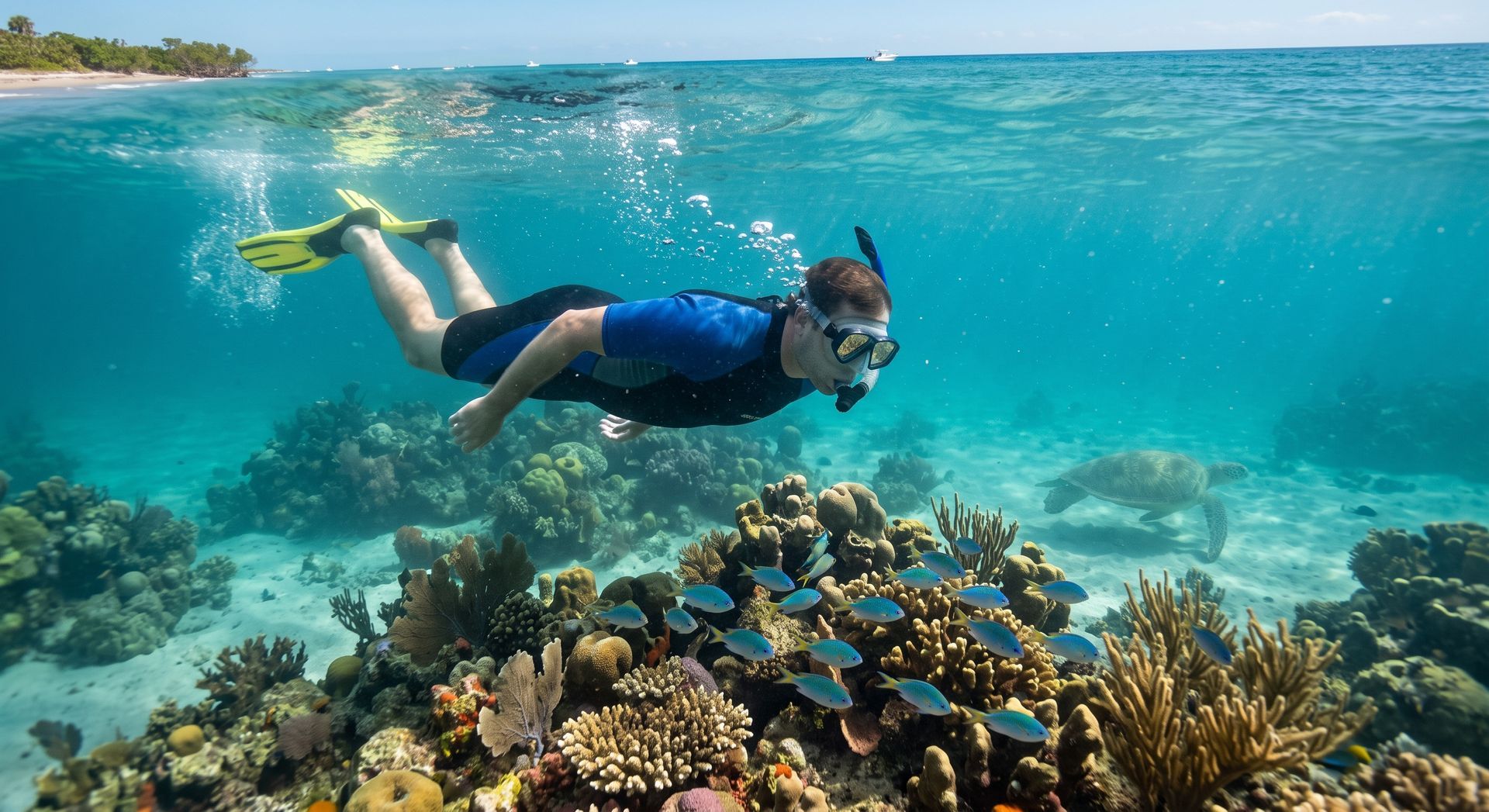
Better visibility makes it easier to spot:
- Tropical fish
- Sea turtles
- Rays
- Reef structure
- Lobster
- Other marine life
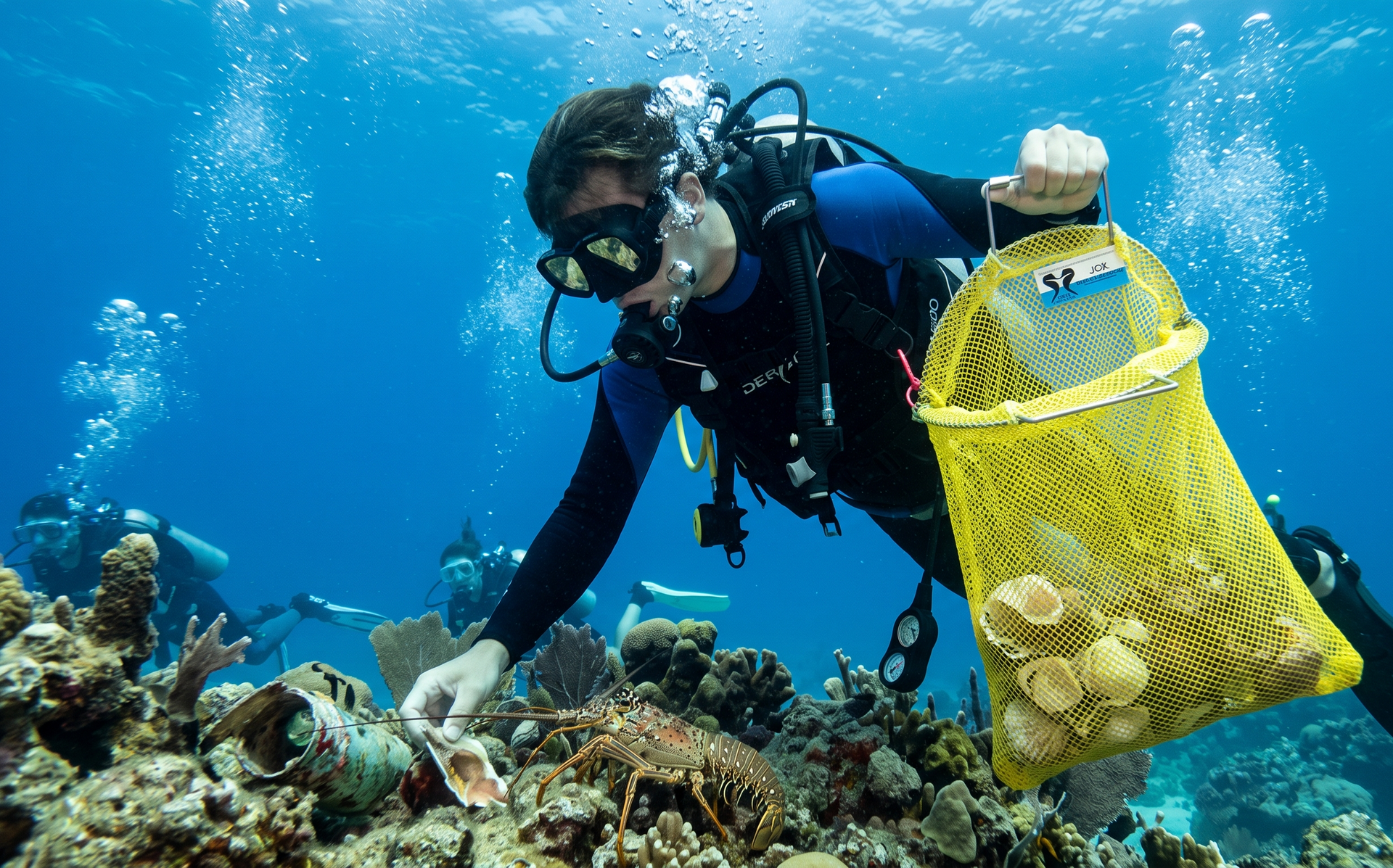
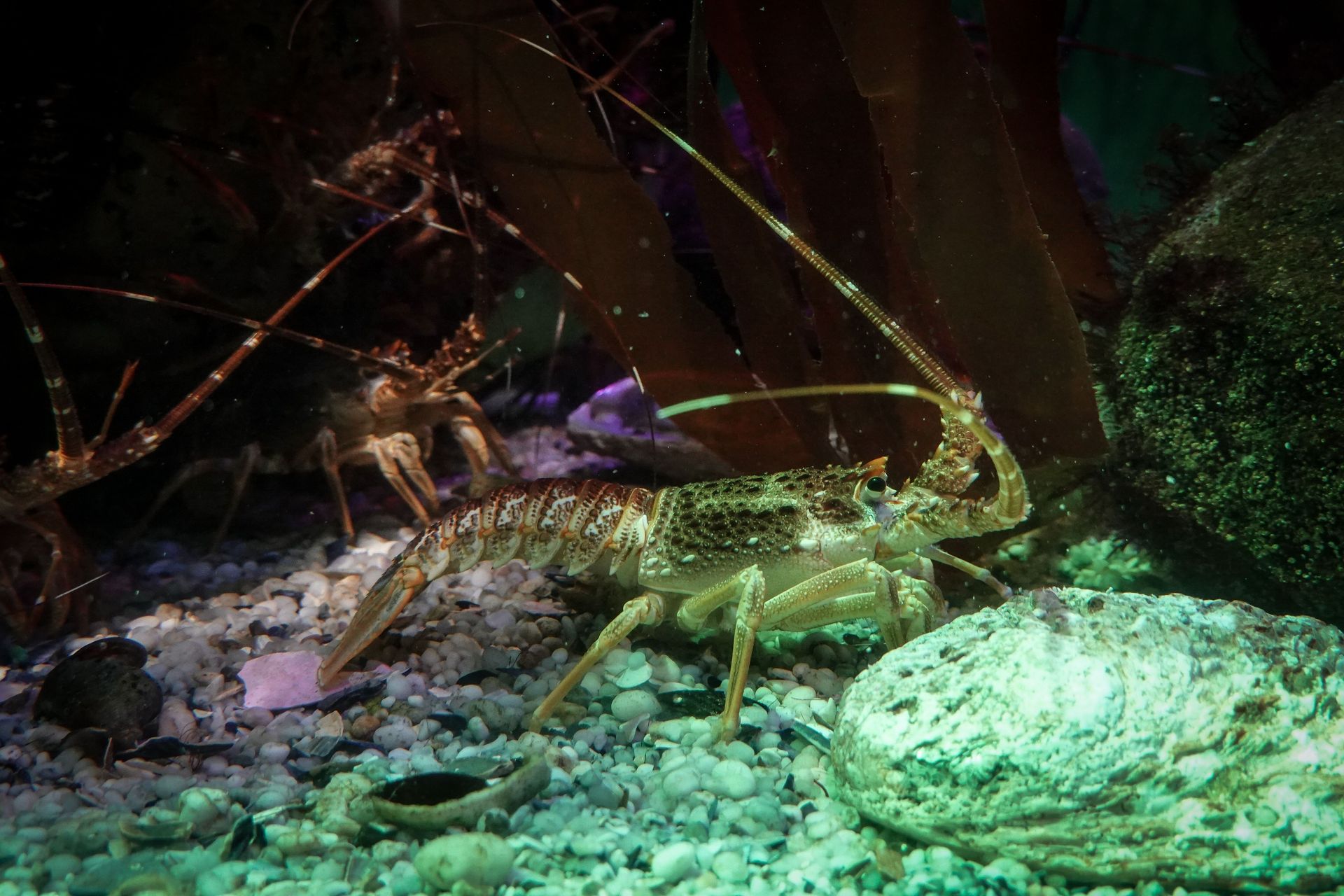
For lobster divers, good visibility can also make it easier to inspect ledges and notice antennae extending from holes and crevices.
Internal Linking Opportunity: Link to Blog #28, Marine Life You'll See While Snorkeling Along Florida's Treasure Coast.
Internal Linking Opportunity: Link to Blog #30, How to Find Spiny Lobster in Florida During the Regular Season.
Don't Forget the Right Gear
Good timing helps, but so does having equipment suited to what you're doing.
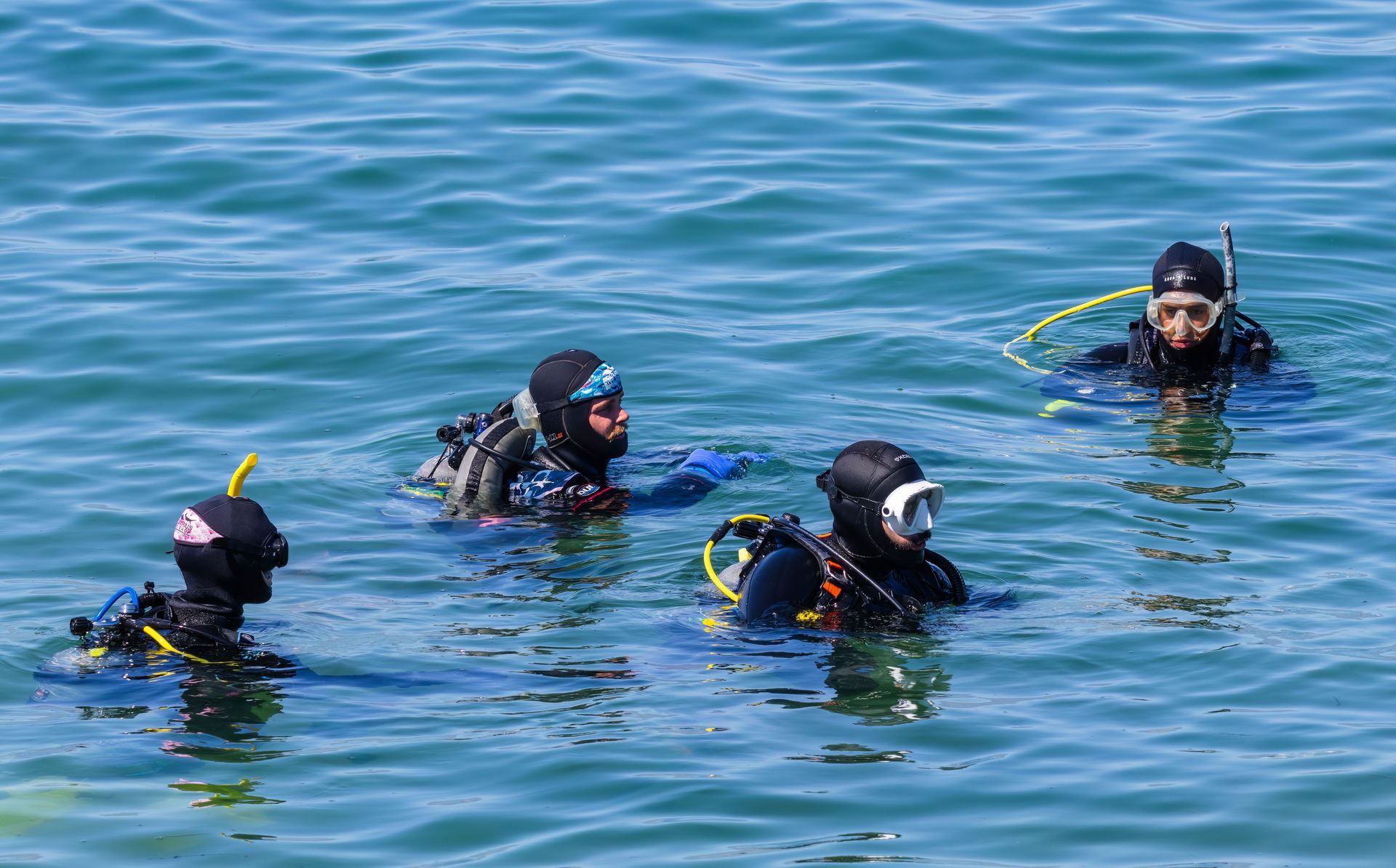
A basic South Florida snorkeling setup may include:
- Mask
- Snorkel
- Fins
- Water shoes where appropriate
- Rash guard or sun protection
- Surface safety equipment appropriate to the activity
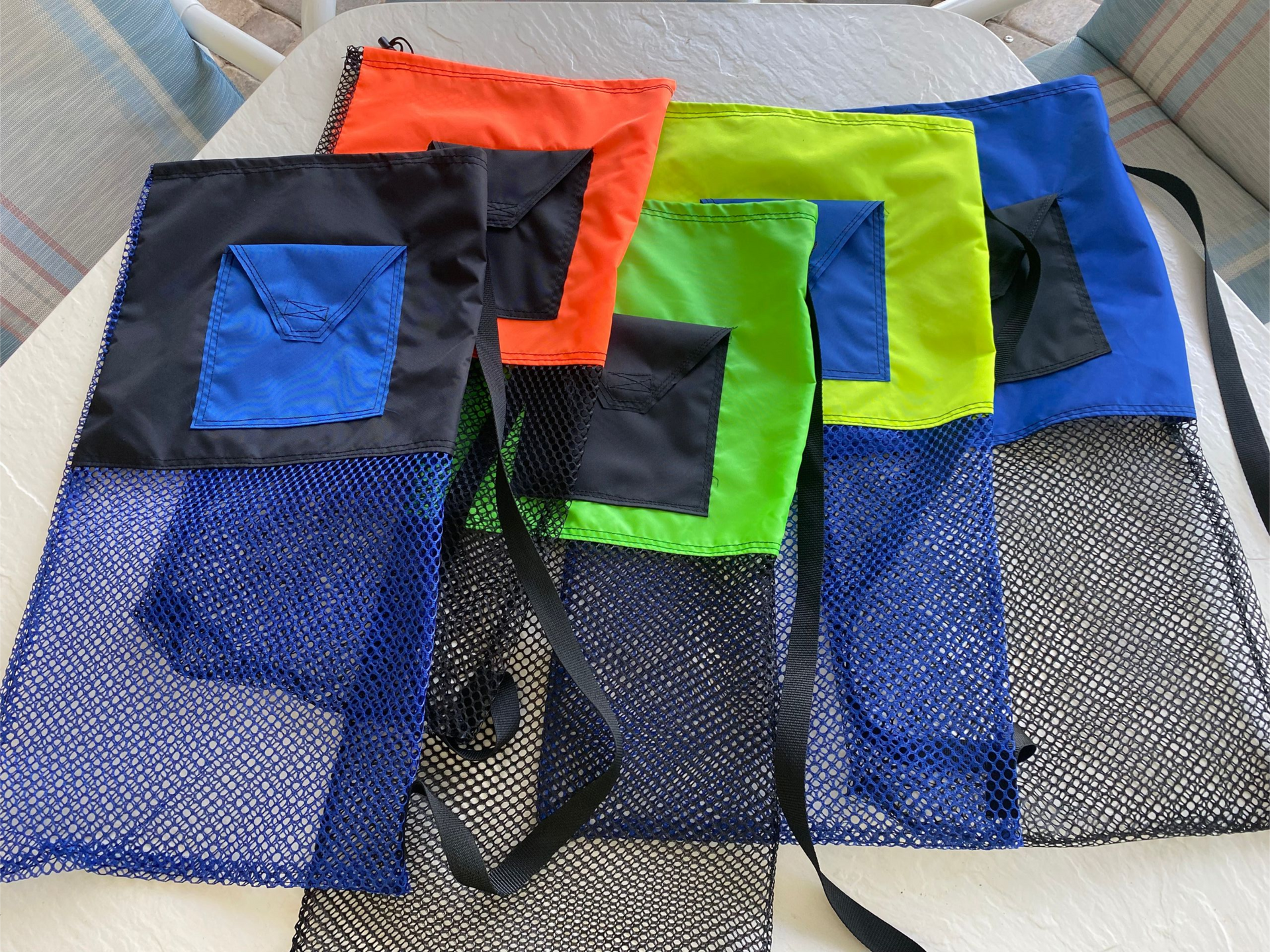
If you're legally harvesting lobster or other catch rather than simply sightseeing, you'll also want the appropriate harvesting equipment and a dependable catch bag.
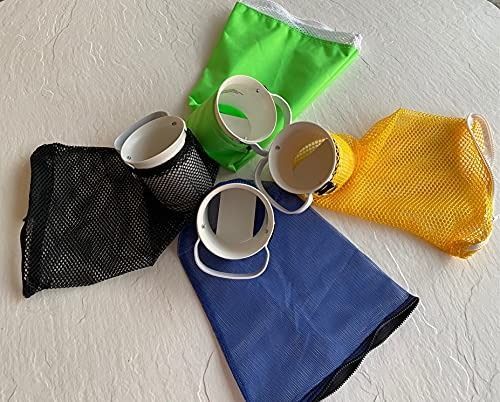
Keystone Dive Products Inc., based in Palm City, Florida, manufactures dive catch products designed for people who spend time in Florida waters.
The Original Lobster Inn™ features a patented one-way insert flap designed to help divers secure their catch without relying on a traditional closure every time something goes into the bag.
Internal Link: [Keystone Dive Products – https://www.keystonediveproducts.com/]
FAQs About Tides, Snorkeling and Diving
What is the best tide for snorkeling in South Florida?
There is no single best tide for every snorkeling location. Around some inlet-influenced sites, incoming ocean water and the period around high water may provide favorable visibility. Current strength, wind, waves, rainfall and local geography also matter.
Is high tide always better for snorkeling?
No. High tide may be favorable at certain locations, but it doesn't guarantee clear or safe conditions. The ideal timing depends on the site and other environmental factors.
What is slack water?
Slack water is a period of relatively weak tidal current as the flow transitions between flood and ebb. It can
Does slack water happen exactly at high tide?
Not necessarily. Tide height and current are related but different. The weakest current at a particular location may not occur at the exact predicted high-tide time.
Is incoming tide good for visibility?
At some South Florida inlet and coastal locations, incoming ocean water can produce favorable visibility compared with outgoing water influenced by inland waterways. However, wind, waves, runoff and recent weather can change conditions.
Does rain make snorkeling water cloudy?
Heavy rainfall can affect coastal visibility by increasing runoff, freshwater discharge and suspended material, particularly around estuaries and inlets.
Where can I check Florida tide times?
NOAA Tides & Currents provides official U.S. tide predictions and allows users to search for nearby prediction stations.
Plan the Tide, Then Check the Conditions
So, what's the best tide for snorkeling and diving in South Florida?
The most useful answer is: understand the location first.
For some inlet-influenced snorkeling sites, an incoming tide and conditions around high water may provide favorable visibility. For divers concerned about strong tidal flow, periods of weaker current can also be important.
But don't confuse high tide with slack current, and don't assume a promising tide chart guarantees a perfect day.
Check the tide. Check the current. Look at the wind and waves. Consider recent rainfall. Review the marine forecast. Then evaluate the actual conditions when you arrive.
Whether you're snorkeling around Jupiter and Hobe Sound, diving near Stuart, or heading offshore from Florida's Treasure Coast, learning how the water moves can help you make smarter decisions about when to get in.
And when your day involves legally harvesting lobster, scallops, crab or other catch, make sure the rest of your equipment is ready too.
[Explore Keystone Dive Products – https://www.keystonediveproducts.com/]
Built in Palm City for people who spend their time in Florida waters.
Recent Posts
Stay Informed. Dive Prepared.
Always Here When You Need Us
You can reach out any time — day or night. Our support is based in Palm City, Florida. We’re not a reseller or drop shipper. We build what we sell, and we back it up with personal service.